
Photography has always been about more than simply recording what appears in front of the camera. But when photographing cosplayers, the opportunity to create something cinematic becomes particularly exciting. As artificial intelligence introduces new possibilities for digital editing, where does photography end and creative storytelling begin?
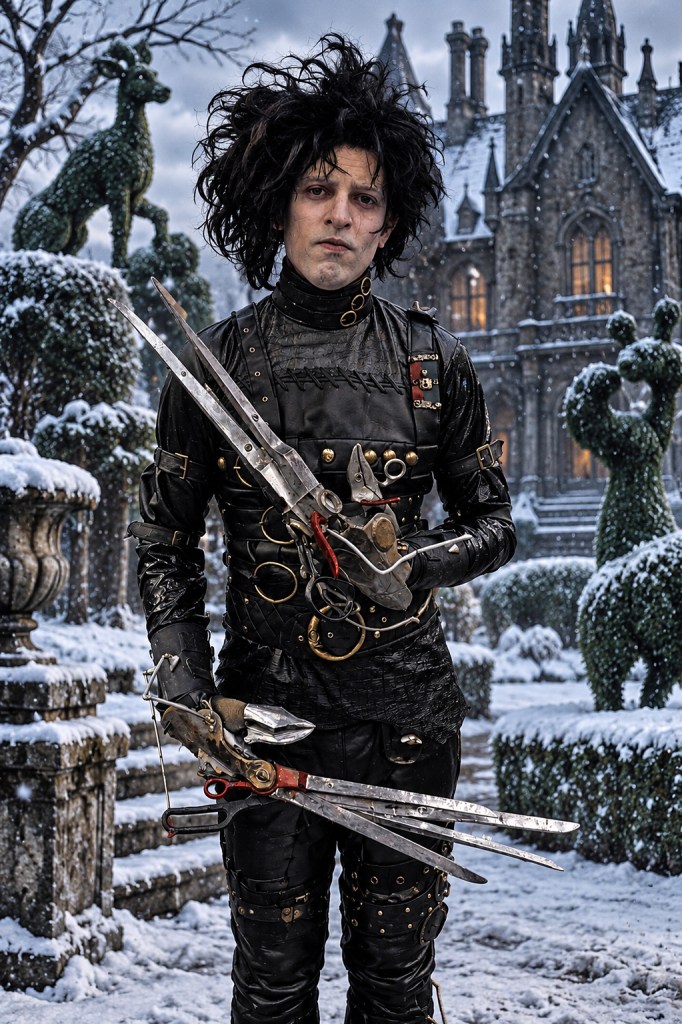
More Than Someone Wearing a Costume
When I photograph a cosplayer, I’m not simply photographing someone wearing a costume.
I’m trying to create a scene in which their character belongs.
There’s an important distinction between the two.
A conventional studio portrait might concentrate on the subject, their expression, the lighting and the overall composition. The objective is often to capture the person in front of the camera as effectively as possible.
Cosplay photography offers something different.
The person standing in front of my camera might be portraying a superhero, a warrior, a fantasy character or someone from a science-fiction universe.
They may have spent weeks or months creating their costume, sourcing materials, refining details and developing their interpretation of that character.
And when I photograph them, I want to do justice to that effort.
Of course, a good photograph taken against a studio backdrop can be beautiful. There’s nothing inherently wrong with that approach.
But sometimes I want to take things further.
I don’t just want to photograph the character.
I want to create a moment from their world.
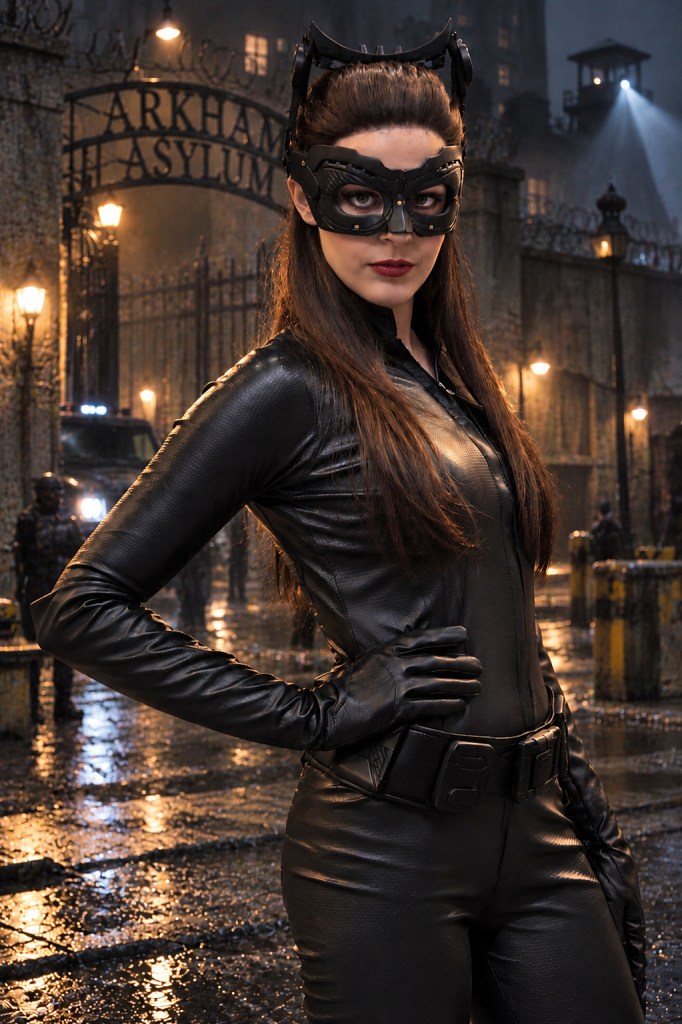
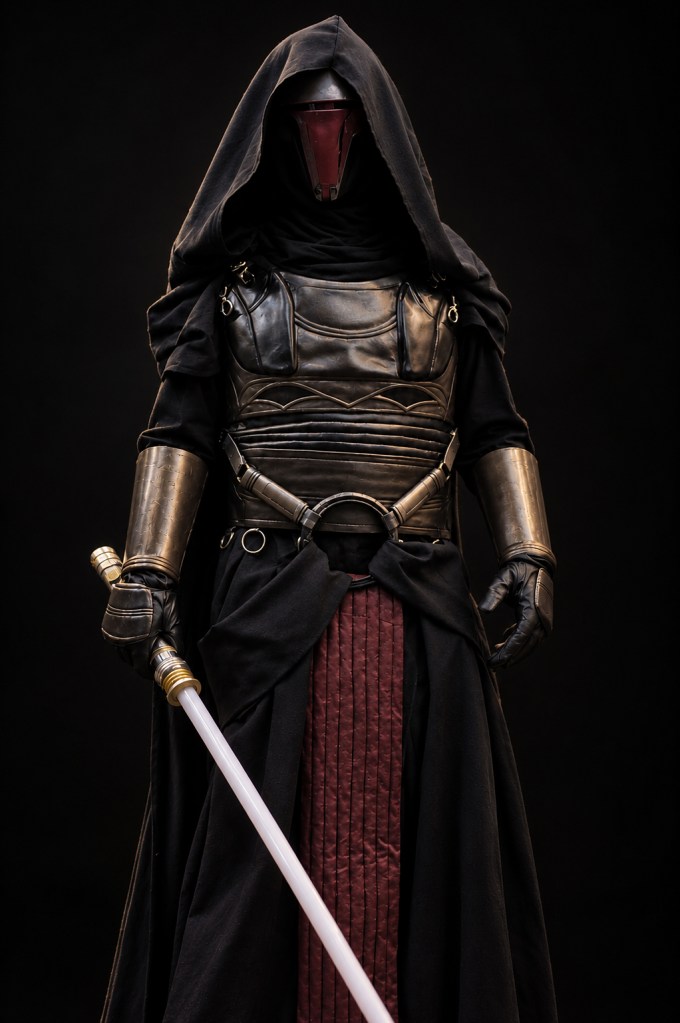
Different characters call for different environments, but the objective remains the same: creating a scene that complements the costume and the character.
Creating the World Around the Character
One of the challenges of cosplay photography is that the location where a photograph is taken doesn’t always complement the character being portrayed.
Conventions are wonderful places to meet cosplayers and photograph extraordinary costumes, but they’re not necessarily ideal locations for creating cinematic images.
A character from a fantasy kingdom might be standing in a modern exhibition hall.
A science-fiction warrior might be surrounded by convention visitors, advertising banners and fluorescent lighting.
None of that diminishes the effort that has gone into the costume, but it can limit the atmosphere of the finished photograph.
This is where digital editing becomes particularly interesting.
By changing the environment around the subject, I can create something that feels closer to the fictional world the character inhabits.
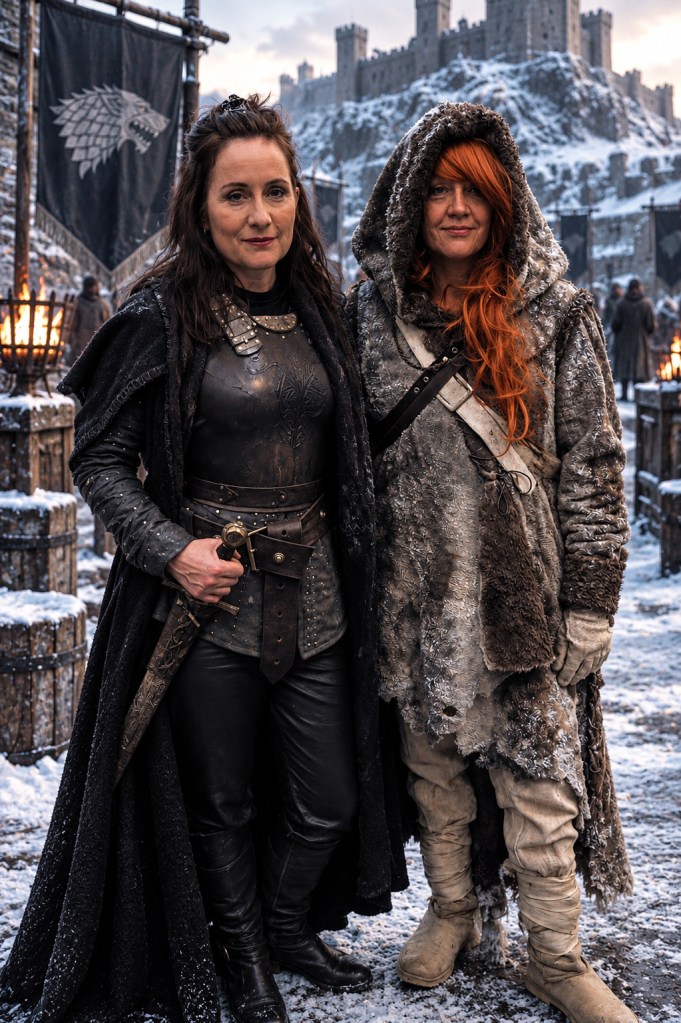
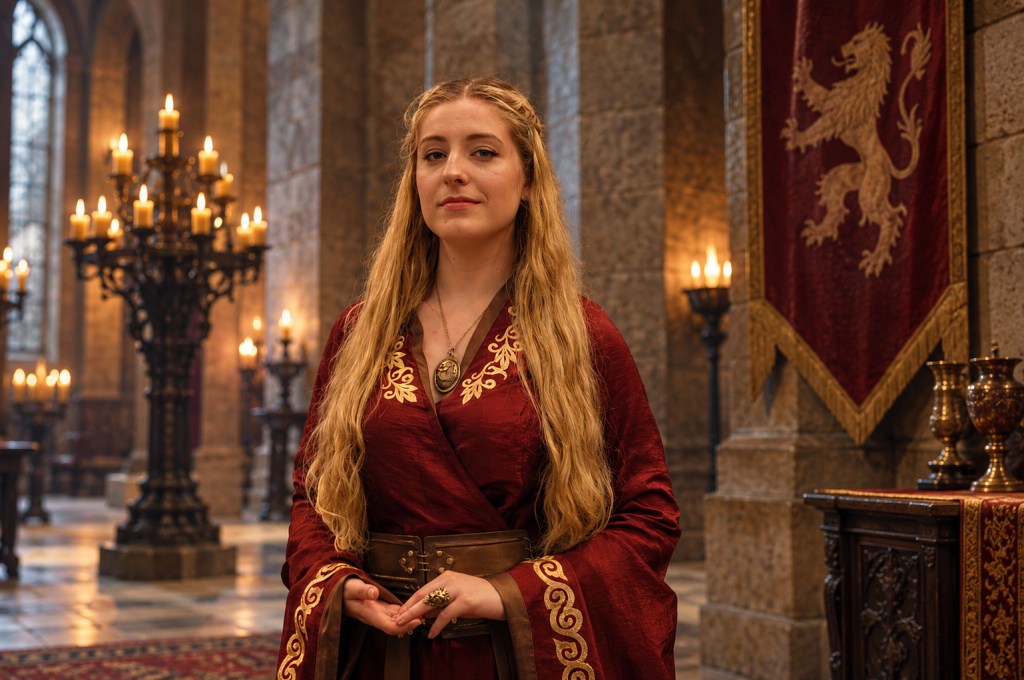
A gothic character might find themselves in a snow-covered courtyard. A superhero might appear against a dramatic cityscape. A fantasy warrior might stand before the walls of an ancient castle.
The objective isn’t necessarily to recreate a scene from a film or television programme exactly.
It’s to create an environment that feels appropriate for the character.
And sometimes that means allowing my own imagination to contribute to the result.
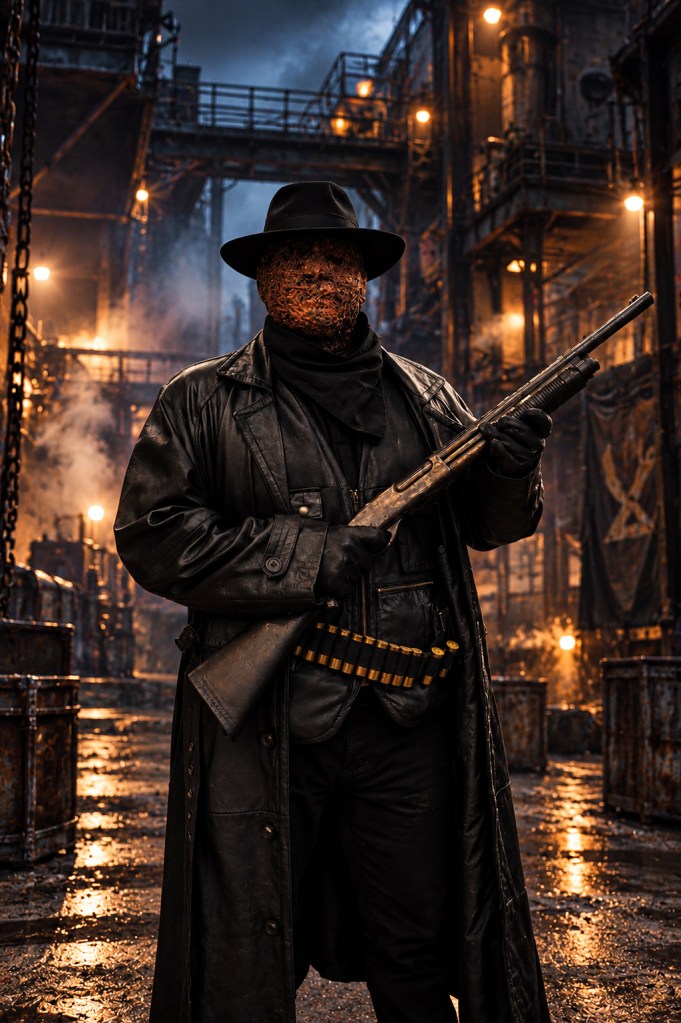
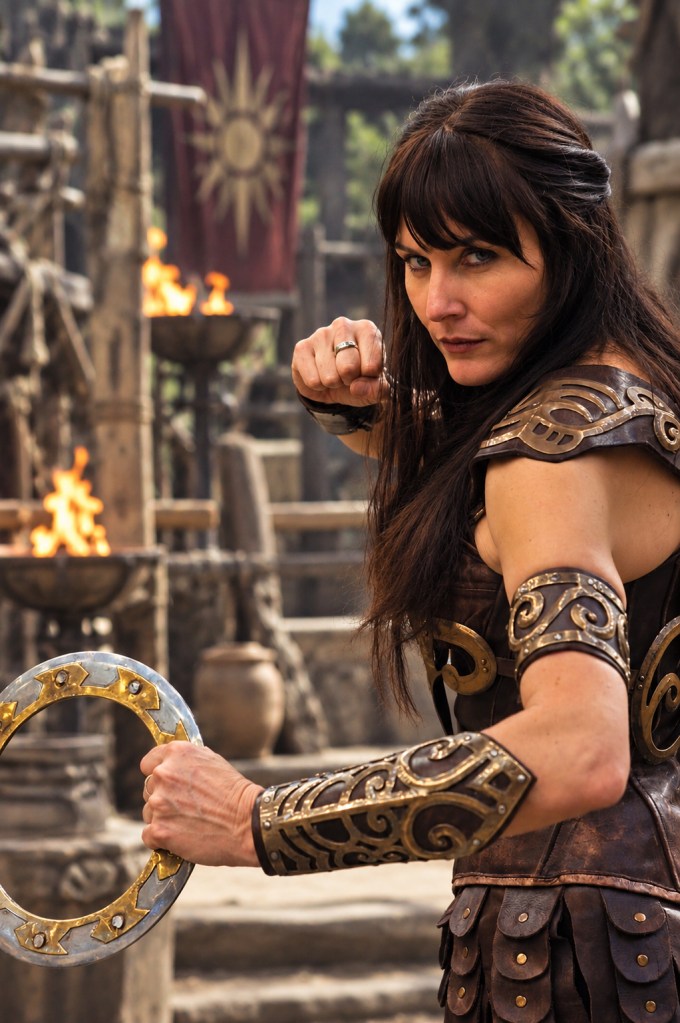
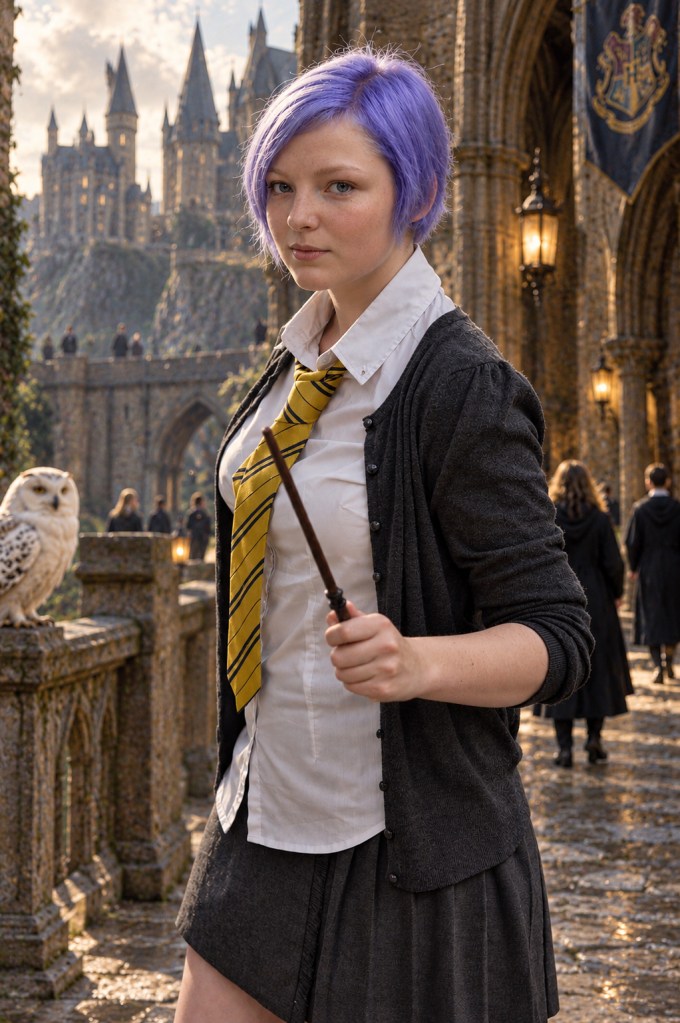
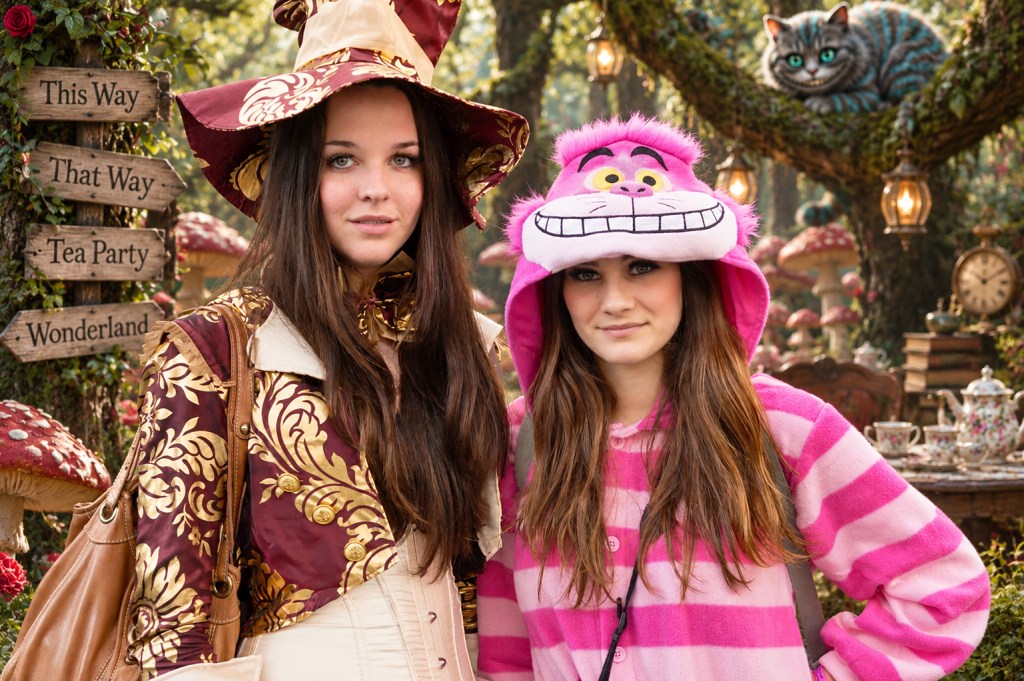
From westerns to fantasy and gothic settings, the environment becomes part of the storytelling.
Photoshop Was Doing This Long Before AI
It’s worth remembering that creating fictional environments through digital photography isn’t something artificial intelligence invented.
Photographers and digital artists have been combining images, replacing backgrounds, adjusting lighting and creating elaborate composite scenes for decades.
I’ve done it myself.
Using Photoshop, I can take an original photograph, introduce a new background, blend the different elements, adjust shadows and highlights, and work towards a finished image that looks as though it belongs together.
It’s a process that can involve considerable time and attention.
And there’s certainly satisfaction in creating something that way.
But the existence of AI has introduced an interesting complication.
Today, someone might look at a heavily edited photograph and immediately assume that artificial intelligence created it.
Not because they’ve examined the editing process, but because the finished image looks like something AI might be capable of producing.
That’s a strange position for photographers and digital artists to find themselves in.
Techniques that existed long before generative AI are now sometimes mistaken for products of the technology.
And I have a rather good example of that.
Twenty-One Layers, Five Seconds of Attention
Some time ago, I photographed a model named Patso.
I subsequently created two different interpretations of the photographs using Photoshop.
One placed him in a dark, atmospheric urban environment, complete with the kind of gritty surroundings that might belong in a comic-book film.
The other took a more fantastical direction, incorporating wings and a dramatically different atmosphere.
Both involved creative decisions about how the subject should appear and the world surrounding him.
One of the Photoshop documents involved 21 layers.
Twenty-one.
It wasn’t a five-second job.
And yet I suspect that if I showed those finished images to someone today, there’s a reasonable chance their immediate response would be, “That’s AI.”
But it wasn’t.
Those particular images were created through traditional Photoshop compositing.
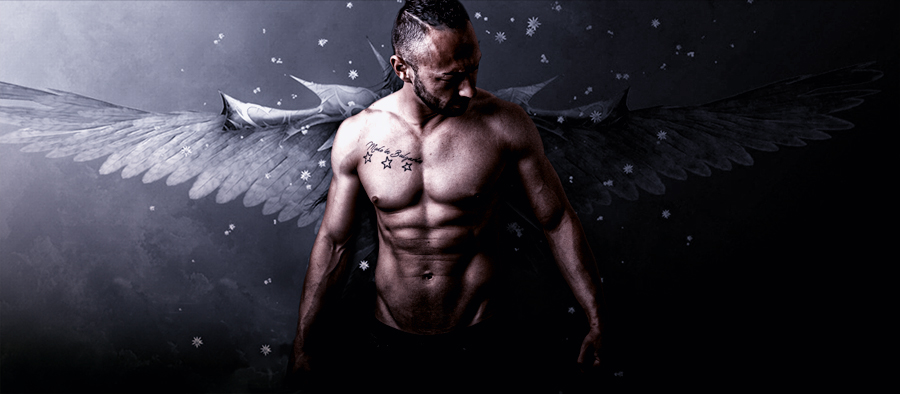
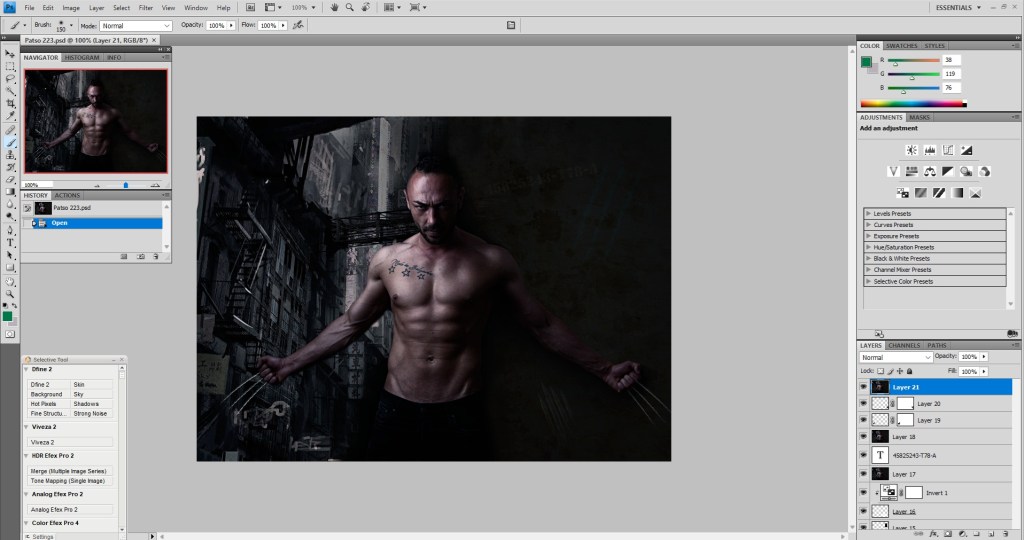
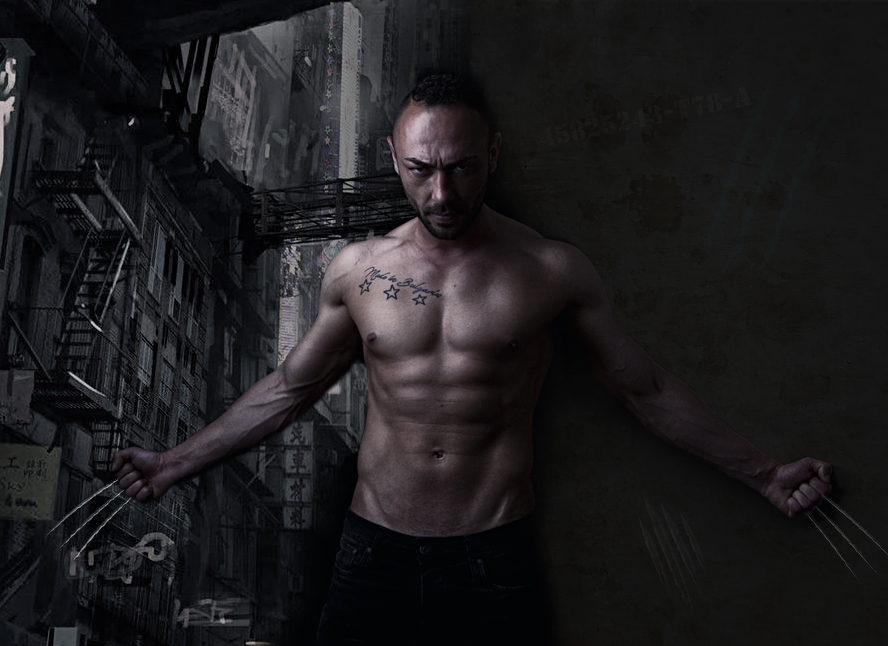
Two interpretations of Patso, created through traditional Photoshop compositing. The accompanying screenshot reveals the layered editing process behind the urban scene.
There’s another irony here.
I might spend hours constructing a photograph that somebody spends five seconds looking at before scrolling to the next image.
Does that make the time spent creating it pointless?
I don’t think so.
The value of a photograph isn’t necessarily determined by how long someone looks at it.
Sometimes an image can communicate an idea almost instantly.
If someone looks at a cosplay photograph and, even for a moment, feels that they’re seeing a character within their own fictional world, perhaps the image has achieved precisely what I intended.
And that brings me to the question that increasingly influences how I approach editing.
Who is the finished photograph really for?
The Character Comes First
I know how to create composite images using Photoshop.
I can spend hours selecting subjects, introducing backgrounds, blending elements, adjusting lighting and refining the final result.
But I’ve come to question whether the time spent doing all that is necessarily the most important part of the creative process.
When a cosplayer has invested so much effort in bringing a character to life, I want the resulting photograph to reflect that dedication.
I don’t particularly need someone looking at the photograph and thinking about how clever I was with Photoshop.
I’d much rather they looked at it and thought:
That’s exactly where that character belongs.
For me, the objective isn’t to showcase the software or the editing process.
It’s to create an image that celebrates the person who stood in front of my camera.
The costume, the performance, the pose and the character are the foundations of the photograph.
My job is to bring those elements together in a way that feels convincing.
And if artificial intelligence can help me achieve that result more efficiently, I don’t see why I should automatically reject it.
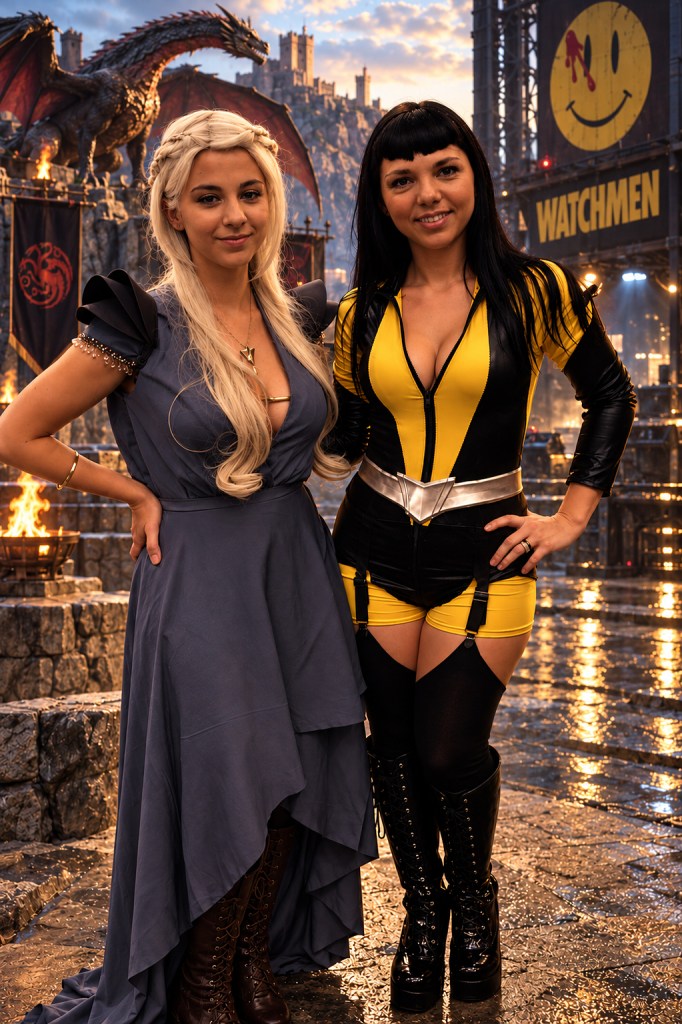
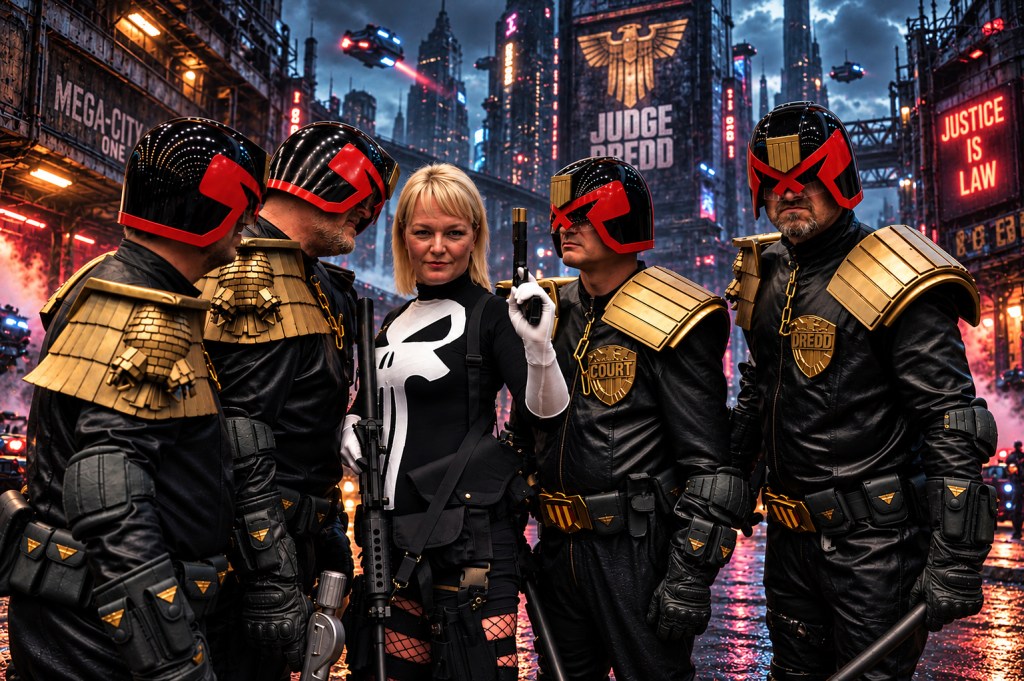
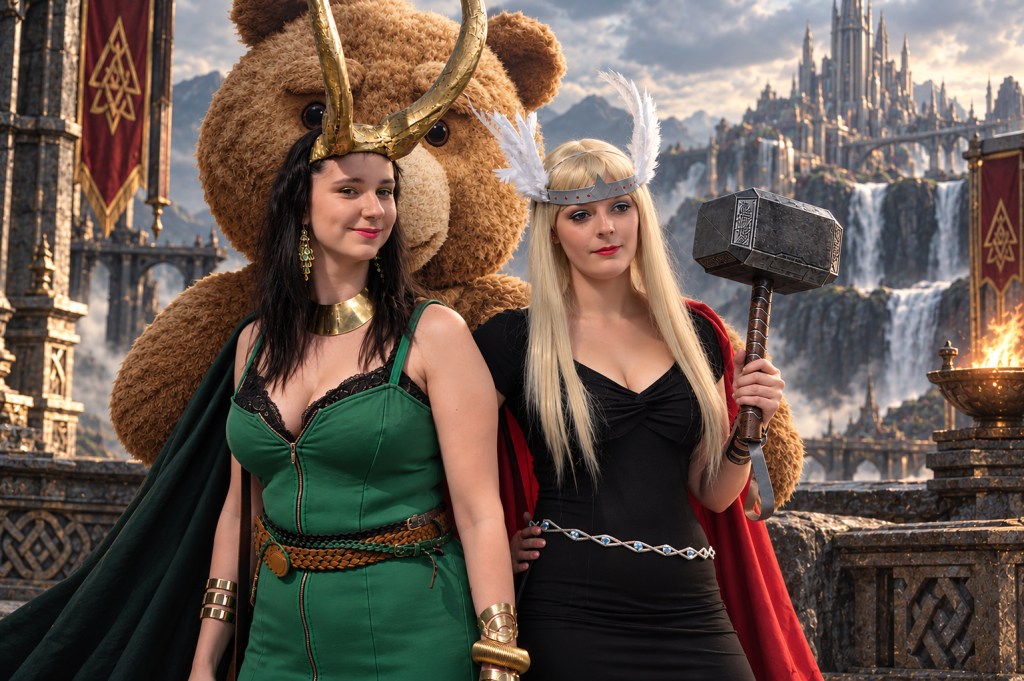
The characters, costumes and performances provide the foundation. The surrounding environments help complete the visual story.
AI as a Creative Tool
Artificial intelligence has introduced new possibilities for photographers who want to create imaginative environments.
Instead of spending hours manually constructing every element of a background, it’s now possible to explore different settings and visual ideas much more quickly.
But that doesn’t mean every AI-generated background automatically produces a successful image.
Quite the opposite.
The environment still needs to complement the subject.
The lighting should make sense. The perspective needs to work. The colours, atmosphere and composition must feel appropriate for the character.
And the original cosplayer needs to remain the focus.
A spectacular background isn’t much use if it overwhelms the person the photograph was intended to celebrate.
Nor is a technically impressive result particularly satisfying if it changes important details of the costume or makes the subject look like somebody else.
For me, the creative judgement remains essential.
AI might help generate or transform elements of the image, but I still have to decide what works, what doesn’t, and whether the result achieves what I had in mind.
In that respect, it becomes another tool within the photographic process.
A powerful one, certainly.
But still a tool.
Where Does Photography End?
One of the more interesting questions surrounding AI-assisted photography is whether the finished result should still be described as a photograph.
It’s a reasonable question.
If the subject was photographed with a camera, but the environment was subsequently created or substantially altered digitally, the final image is no longer a straightforward documentary record of what stood in front of the lens.
But neither is it necessarily an entirely AI-generated image.
It may be better understood as a photographic composite or a piece of photographic digital art.
And I’m comfortable with that distinction.
I don’t believe there’s anything to gain by pretending an elaborate fantasy background was physically present when the photograph was taken.
If AI was involved in creating the environment, there’s no reason to hide that fact.
Equally, if a scene was constructed manually through Photoshop, that process deserves to be recognised for what it is.
The two methods aren’t identical, even when the finished images might appear similar.
But both can involve artistic choices, and both can be used to create compelling work.
The important thing is to be transparent about the process without allowing the technology to become more important than the image itself.
Photography, Imagination and the Future
I don’t believe AI will make traditional photography irrelevant.
There will always be value in capturing an extraordinary moment as it happens, finding the perfect location, working with natural light or creating an image entirely through the camera.
Nor do I think AI should replace the craftsmanship, creativity and individuality that cosplayers bring to their work.
Quite the opposite.
For me, the technology offers another opportunity to celebrate those qualities.
Sometimes I’ll want to use traditional Photoshop techniques.
Sometimes an AI-assisted background will allow me to achieve a particular idea more efficiently.
And sometimes the original photograph won’t need a different background at all.
The method should serve the image, not the other way around.
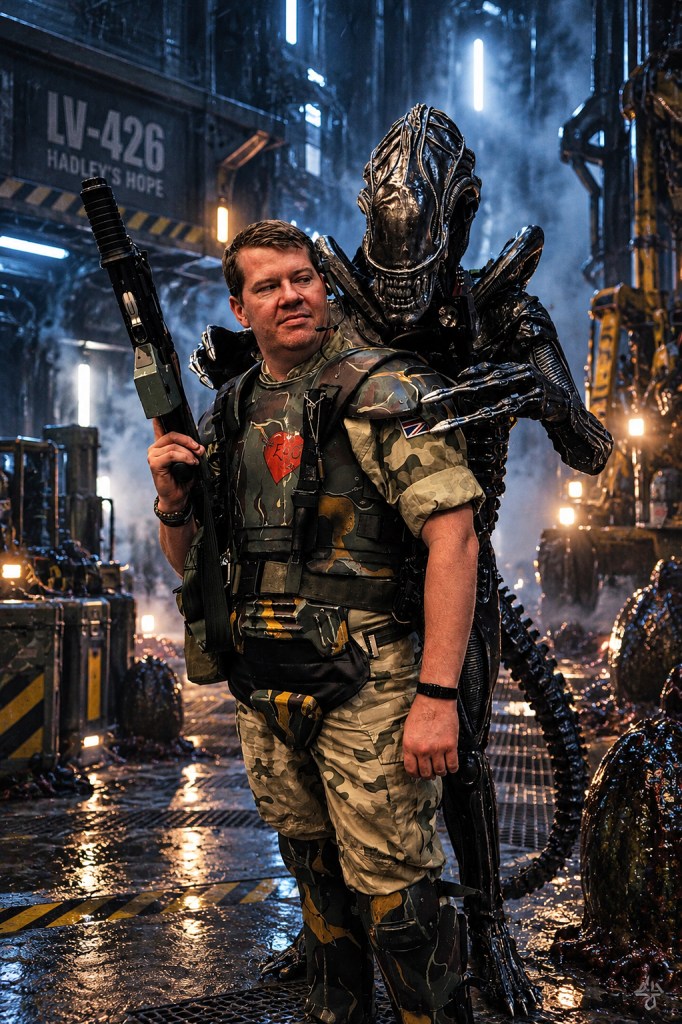
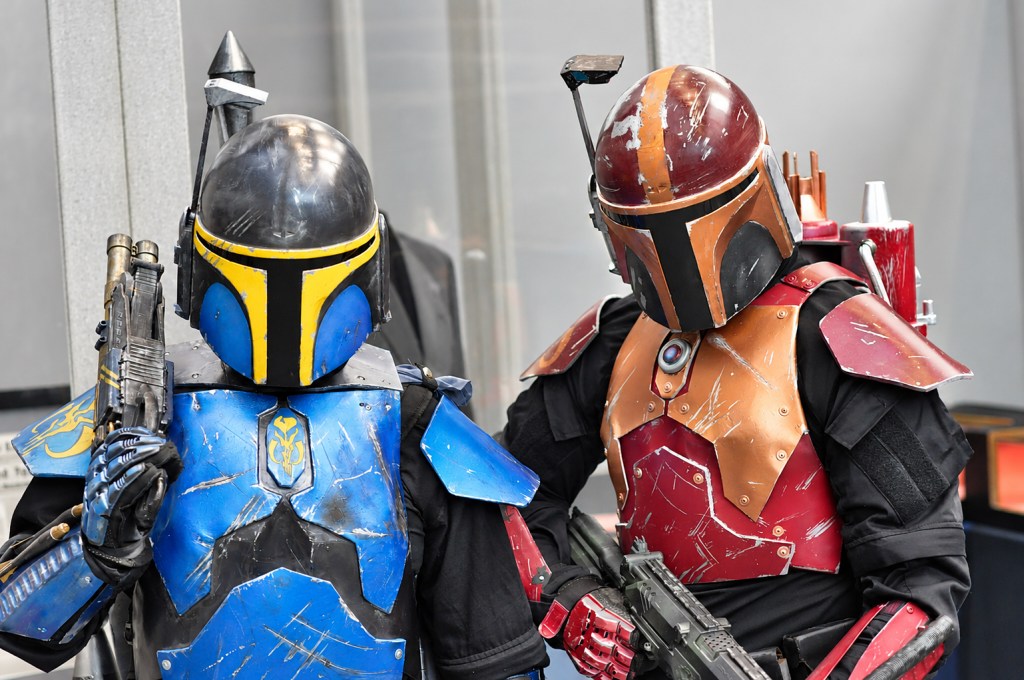
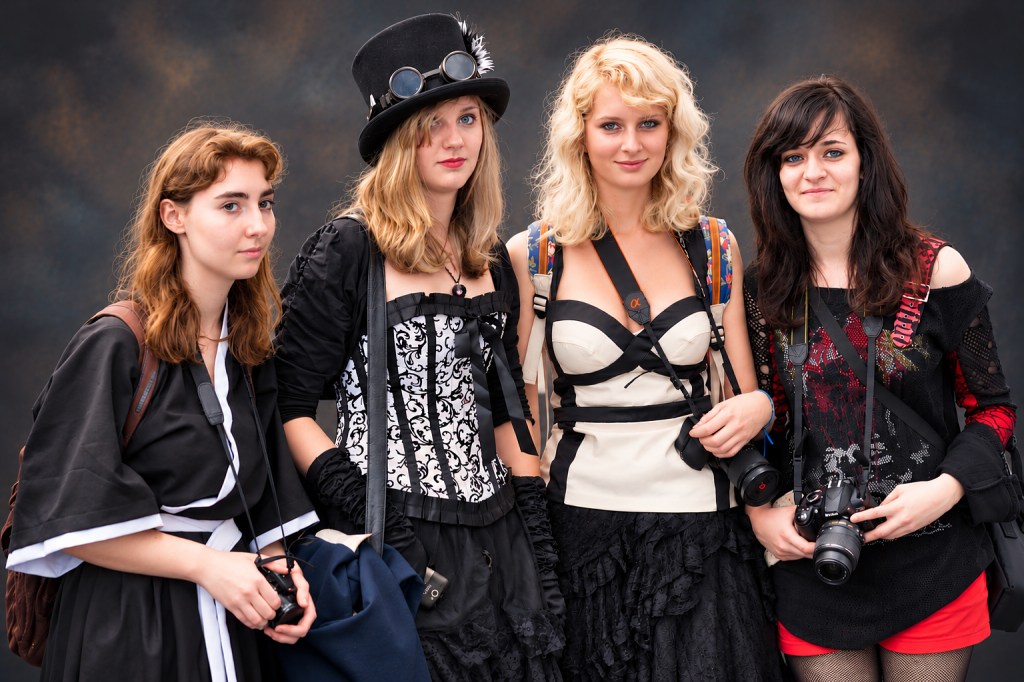
Not every cosplay photograph needs an elaborate fictional environment. Sometimes the costume, the people and the moment are enough. By the way, the alien is a cosplayer too, that is not AI!
Final Thoughts: Doing Justice to the Cosplayer
Photography has always involved choices.
Where to position the camera. How to frame the subject. What lighting to use. Which moment to capture.
Digital editing introduced another set of creative decisions, and artificial intelligence is now expanding those possibilities further.
But the underlying objective of my cosplay photography hasn’t changed.
When someone stands in front of my camera dressed as a character they love, I want to create something worthy of the effort they’ve made.
Sometimes that means a straightforward portrait.
Sometimes it means spending hours constructing a scene through Photoshop.
And sometimes it means using AI to help create an environment that would otherwise be difficult or time-consuming to achieve.
I’m less concerned about which tool receives the credit than I am about whether the finished photograph works.
Because when somebody looks at the image, I don’t particularly want them thinking about Photoshop layers, artificial intelligence or the hours spent editing.
I want them to see the character.
I want them to appreciate the costume.
And, just for a moment, I want them to believe they’re looking into another world.
Because ultimately, it’s not about showing what I can do with a photograph. It’s about doing justice to the person who made that photograph possible.
HERA Magazine International — Photography & Culture
Photography and creative editing by HERA Magazine International. Images include traditional photographic composites and AI-assisted environmental enhancements. The Patso examples shown in the article were created using traditional Photoshop techniques.


Leave a Reply