
AI-generated influencers are becoming increasingly difficult to distinguish from “real” people. There is nothing inherently wrong with enjoying them. But in the race for our attention, are we forgetting the real people behind the photographs we love?
Scroll through Instagram for a few minutes and you’ll see the familiar ingredients: impossibly beautiful people, enviable locations, immaculate clothes and carefully constructed glimpses into apparently perfect lives. Some are models, photographers, artists and so on. Some are influencers. Some are simply people who have become exceptionally good at presenting their lives through a carefully curated lens.
And some of them don’t exist.
Not in the conventional sense, anyway.
AI-generated influencers are now capable of looking remarkably convincing. They pose on beaches, sit in cafés, visit cities, model clothes and look into the camera with the same carefully cultivated intimacy that has become part of the language of Instagram. The inspiring stories, the wonderful smiles, the connecting gaze drawing you deeper into their world.
They attract followers. They attract comments. They attract brands. Absolutely understandable.
But behind the face on the screen there may be no model at all.
So perhaps the first questions are: why are people creating them? Why are hundreds of thousands of people choosing to follow them? And, as the distinction between the real and the synthetic becomes increasingly difficult to see, should we think a little more carefully about where we give our attention?
The model who doesn’t exist
Aitana López has pink hair, enjoys gaming and fitness and has hundreds of thousands of followers on Instagram.
And she is also entirely fictional.
Created by Barcelona-based agency The Clueless, Aitana is one of a growing number of virtual influencers designed to inhabit much the same online world as their human counterparts. Her creators have given her more than a face. She has a personality, interests and an evolving story. Photographs depict a lifestyle that feels familiar because it follows the visual conventions we already associate with human influencers.
Aitana isn’t alone.
Virtual personalities such as Lil Miquela, Imma and Shudu have accumulated substantial audiences and worked with major brands. Some deliberately retain an artificial quality. Others increasingly resemble conventional fashion and lifestyle photography.
And that distinction matters.
Early virtual influencers often invited us into the fiction. We knew we were looking at a digital character. Generative AI is making that assumption much less reliable.
Today, a beautifully photographed woman appearing in your Instagram feed might be a professional model photographed in natural light. She might be a real person whose photograph has been heavily retouched. She might be a composite of photography and generative AI.
Or she might never have stood in front of a camera at all.
Why create someone who isn’t real?
It is tempting to view the people creating virtual influencers as simply trying to replace human models, but the reality is considerably more complicated.
The creators of Aitana have explained that part of their motivation came from the difficulties involved in conventional influencer and modelling projects. Creating their own virtual personality gave them something extremely valuable: control.
A virtual influencer doesn’t miss a flight.
She doesn’t need a hotel.
She doesn’t have scheduling conflicts.
She can be photographed in London in the morning and appear beside a swimming pool in Los Angeles that afternoon without leaving a computer. Her appearance, clothes, location and story can all be controlled by the people creating her. For brands, that offers almost endless possibilities.
But it is worth remembering something else.
There are still humans behind many of these virtual people.
Artists, photographers, designers, writers, programmers and marketing teams create their appearance and construct their personalities. Aitana herself reportedly has a team of people behind her.
AI imagery can be a legitimate creative medium. At its best, it can produce extraordinary work and allow artists to create things that would previously have required enormous budgets — or simply have been impossible.
This isn’t an argument for stopping them, or encouraging them.
It is an argument for understanding what we’re looking at.
Why do we follow someone who isn’t real?
Perhaps the more interesting question isn’t why somebody would create an AI influencer; it’s why the rest of us would follow one.
Now, at first that does sound odd.
Why become interested in the life of somebody when you know that life never actually happened?
But perhaps it isn’t particularly strange at all.
Human beings have always formed attachments to fictional characters. We care what happens to characters in novels. We become emotionally invested in television dramas. Children once wrote letters to Sherlock Holmes asking him to solve crimes. Knowing that somebody is fictional doesn’t prevent us from feeling something about them.
Research into virtual influencers suggests something similar can happen on social media. People can develop what psychologists call parasocial relationships: a sense of familiarity or connection with somebody they have never actually met.
And virtual influencers have another considerable advantage.
They can be beautiful.
Not merely conventionally attractive, but precisely engineered to embody whatever version of beauty their creators — and potentially their audience — respond to.
Perfect skin. Perfect lighting. Perfect proportions. Perfect locations.
Yet perfection has always been part of fashion imagery. Photography has never been an entirely neutral representation of reality either. Lighting changes faces. Makeup changes faces. Lenses change faces. Retouching changes faces.
AI simply takes that process somewhere new.
When attention becomes currency
A like feels insignificant.
So does a comment.
And clicking follow takes less than a second.
But on social media those tiny actions have collectively become a form of currency.
Followers can help a model demonstrate that people are interested in their work. Engagement can help a photographer’s images reach potential clients. A share can introduce a makeup artist, stylist or designer to somebody who might eventually employ them.
None of those things guarantees a career.
But visibility matters.
And this is where the rise of synthetic influencers becomes more complicated.
When an AI-generated person receives 100,000 followers, nobody necessarily loses 100,000 followers. Attention doesn’t work like money being transferred from one bank account to another.
Someone can follow an AI influencer and twenty real models.
But our attention is finite.
There are only so many photographs we stop to look at, so many accounts we discover and so many people an algorithm chooses to show us. In fact, some social media platforms limit how many people you can follow or how many images you can like.
Increasingly, real people are competing for some of that attention with people who have never existed.
The people behind the picture
Look at a fashion photograph.
We naturally see the person in it.
But look again.
There may be a model who spent years building a portfolio and attending castings.
There is a photographer who learned how to use light, composition and timing.
Perhaps there is a makeup artist who arrived before everyone else to prepare the model.
A hairstylist.
A fashion stylist.
A designer whose clothes are being photographed.
An assistant holding a reflector just outside the frame.
A retoucher completing the image afterwards.
Sometimes there will be a studio, producer, art director or set designer as well.
Not every photograph involves a large production team. Many independent photographers and models work with remarkably small crews, but the crucial thing is that a photograph can represent more than the person we see.
It can represent an ecosystem of creative work.
And there is growing evidence that generative AI is beginning to affect that ecosystem.
Evidence submitted by the Association of Photographers to a UK parliamentary committee in 2025 said that more than 58% of photographers it surveyed had already lost work to generative AI. The association estimated the average loss among affected professional photographers at £14,400.
And when a photography commission disappears, the photographer may not be the only person who loses the job.
Models, stylists, assistants, makeup artists and retouchers can disappear from that budget too.
Suddenly the question of what constitutes an image becomes a question about people.
AI isn’t the enemy
It would be very easy to turn this conversation into another battle between technology and creativity, outrage and clickbait.
That would also be misleading.
AI isn’t going away.
Nor should every artist using it be treated as somebody trying to destroy traditional photography.
Photographers themselves are experimenting with generative AI. Fashion houses are exploring it. Artists are combining traditional photography with synthetic imagery in genuinely interesting ways.
Photographer Nick Knight, for example, has experimented with AI while continuing to work with real models and creative teams.
The possibilities are enormous.
Perhaps the future isn’t AI instead of photography.
Perhaps it is photography alongside AI.
The more important question is whether we continue to recognise the difference — and value both appropriately.
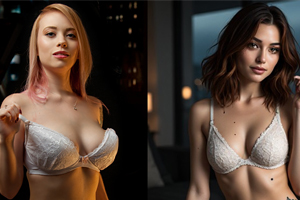
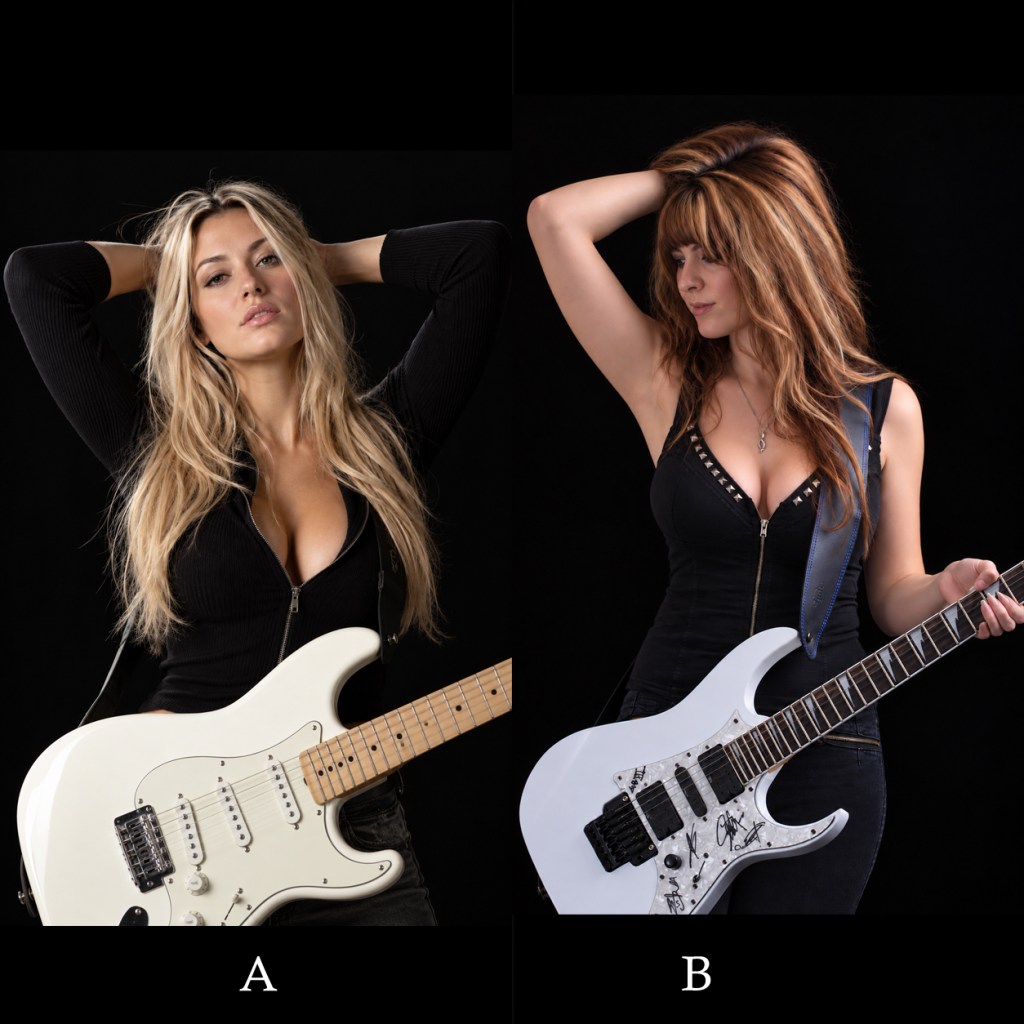
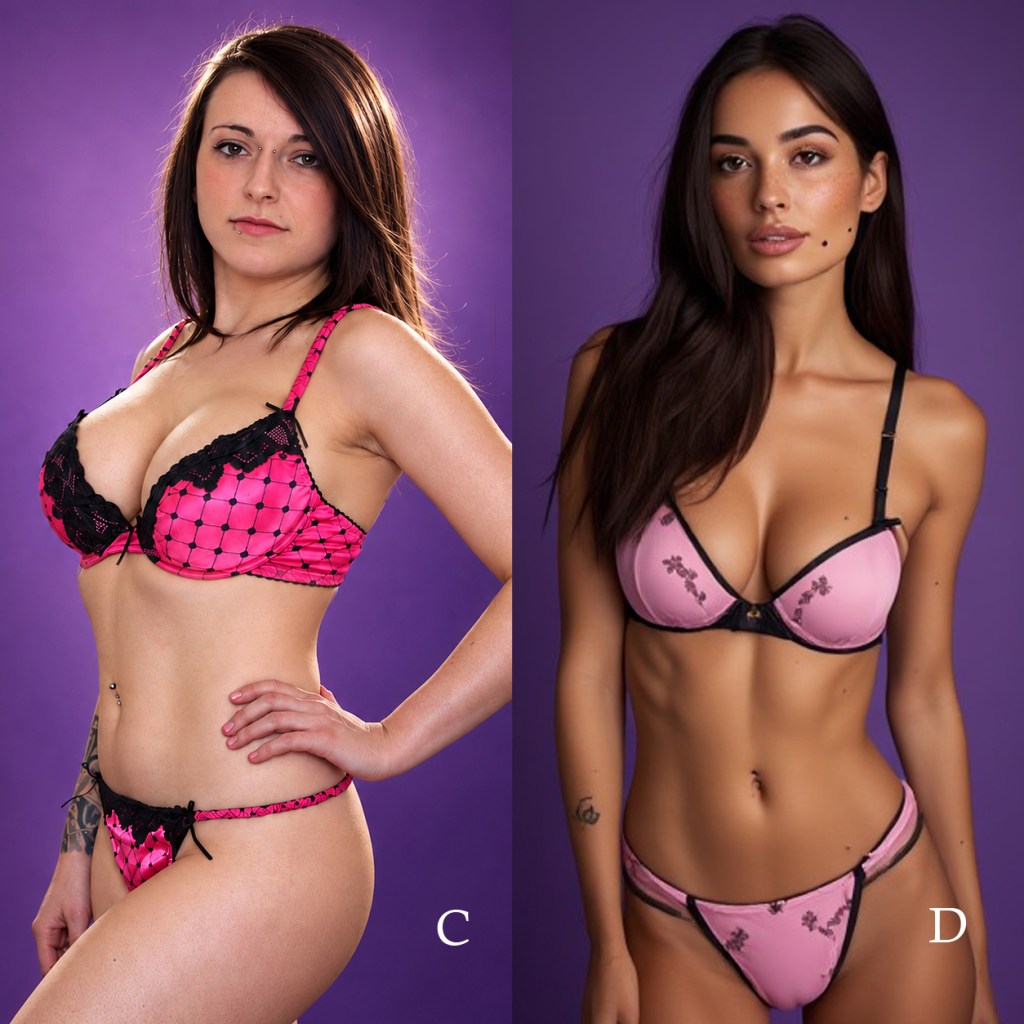
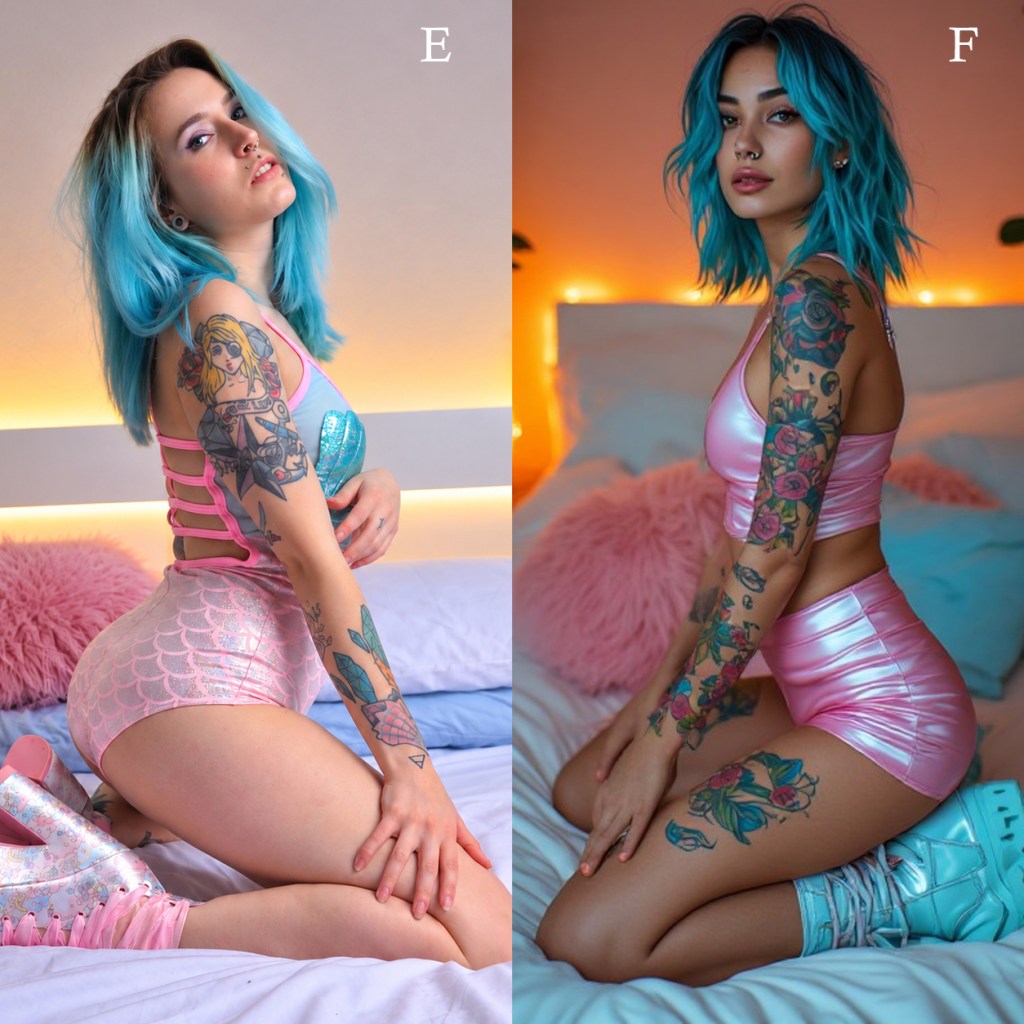
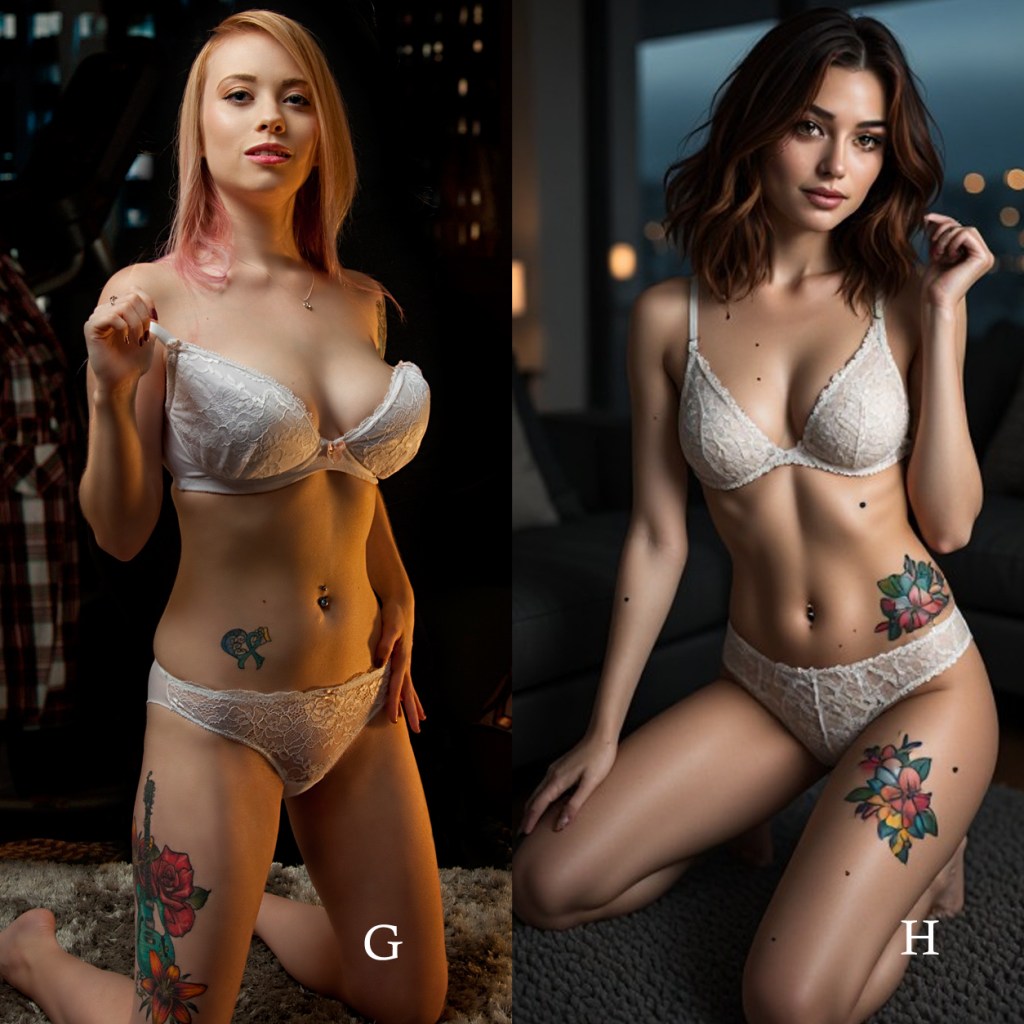
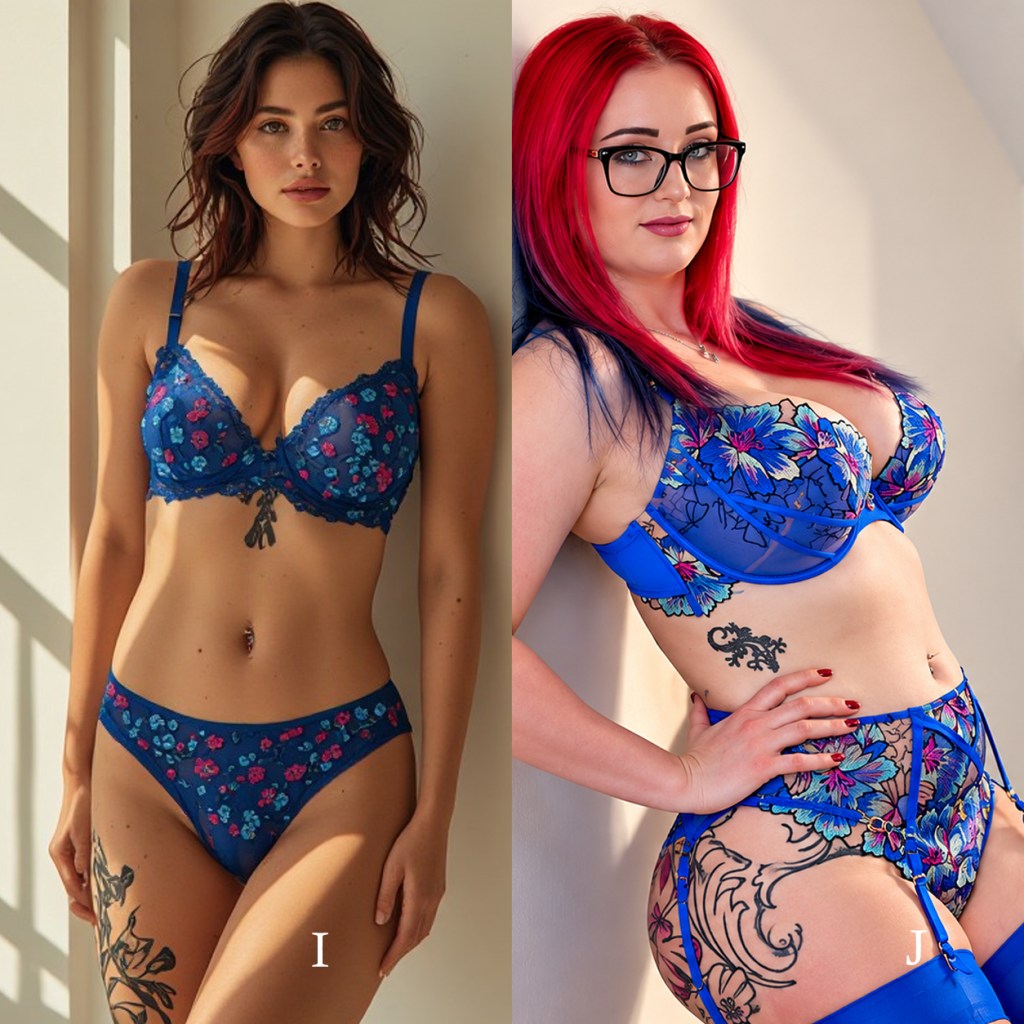
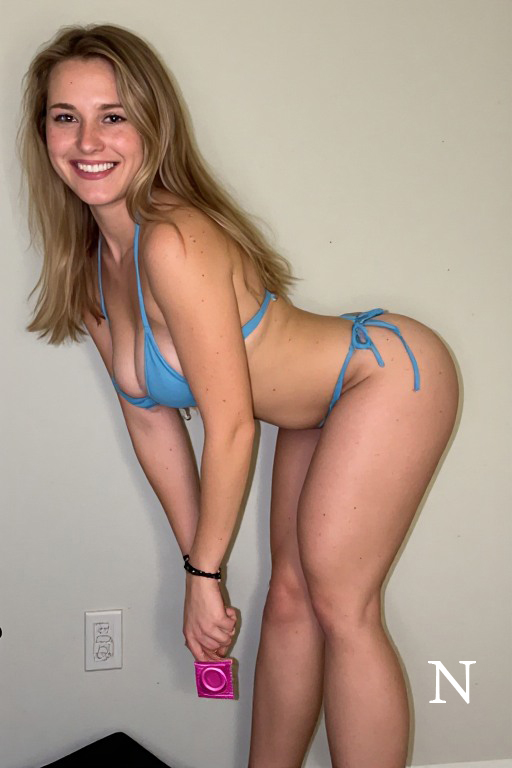
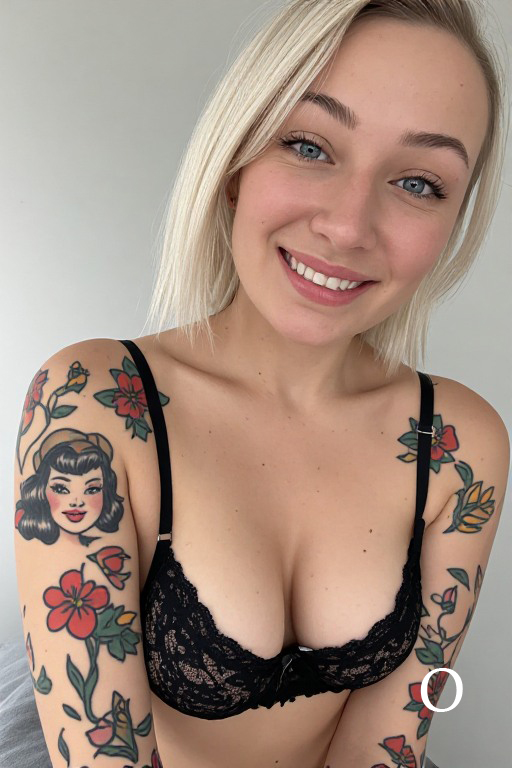
Can you tell which is real?
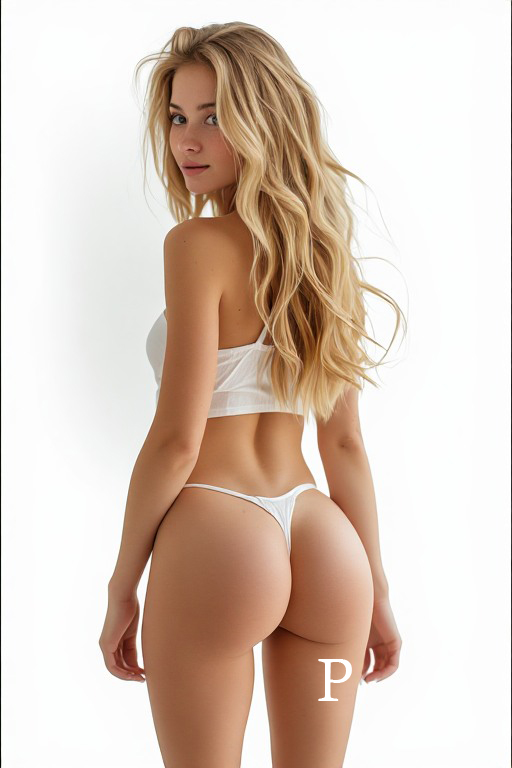
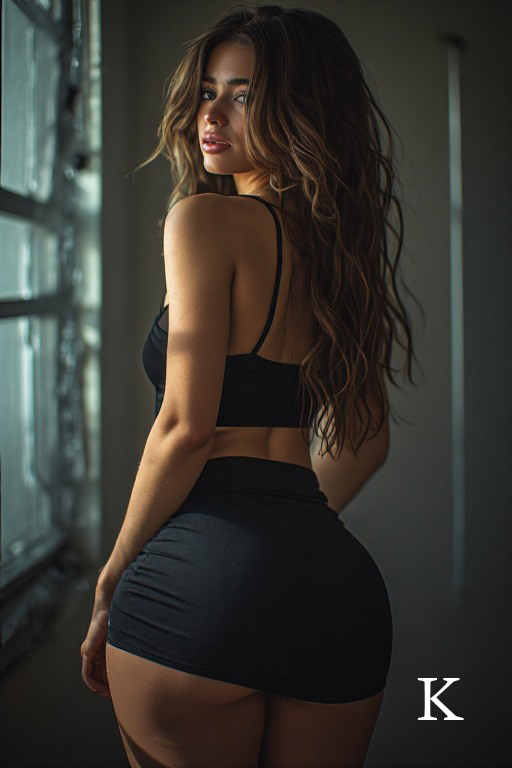
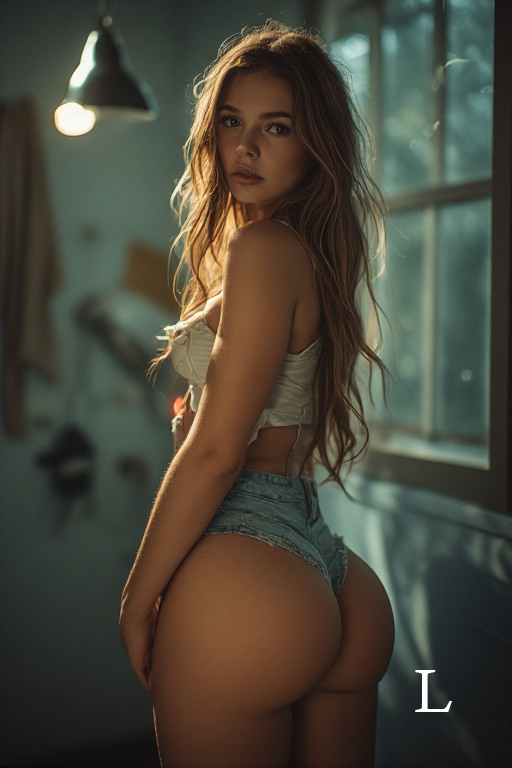
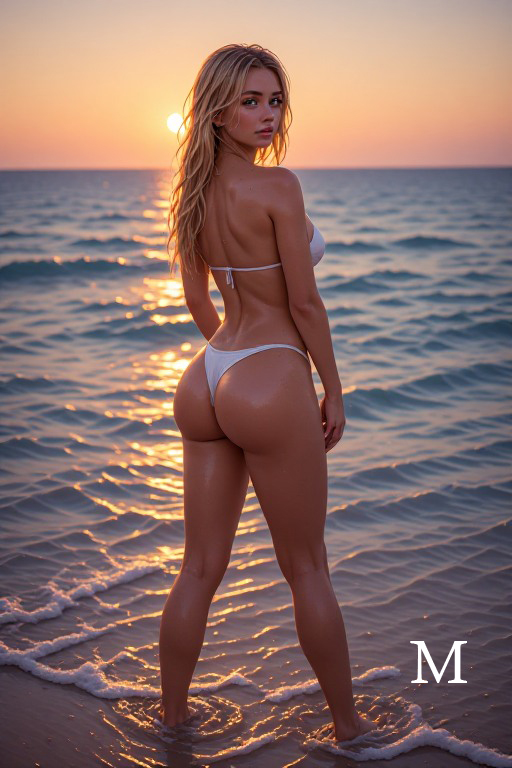
Throughout this article, there are pairs of images. One is someone generated by artificial intelligence; the other depicts a real person.
Could you tell immediately?
Perhaps you could.
Now imagine seeing them for less than a second while scrolling through Instagram.
That’s the bit that’s becoming the challenge.
AI imagery once betrayed itself with strange hands, impossible jewellery, mismatched eyes and bizarre backgrounds. Those clues haven’t disappeared completely, but they are becoming less reliable.
Faces are improving.
Hands are improving.
Lighting is improving.
AI-generated skin is even learning how not to look perfect.
Freckles, pores, stray hairs and tiny imperfections can now be deliberately introduced because imperfection itself makes an image more believable.
The ability to recognise synthetic media is therefore becoming part of ordinary media literacy.
Platforms such as Instagram have introduced systems for identifying and labelling some AI-generated content. Those measures are useful. But ultimately we may also need to become more curious consumers of images.
Who made this?
Who is in it?
Is this person real?
Does it matter?
And, admittedly, this is the question that can stop you in your tracks for a moment. Sometimes the answer will quite reasonably be no.
But sometimes it should matter.
Don’t forget the humans
HERA exists because we love photography.
And part of what makes photography extraordinary is that another human being was there.
Someone noticed the light.
Someone chose the location.
Someone stood in front of the lens.
Someone felt awkward for the first few frames and gradually relaxed.
Someone laughed between photographs.
Someone pressed the shutter at exactly the right moment.
AI can imitate the resulting image with increasingly astonishing accuracy.
What it cannot recreate is the moment that produced it — because that moment never happened.
That doesn’t make an AI image worthless; it makes it something different.
There is room for both.
By all means, enjoy virtual influencers if they entertain you. Follow AI artists whose work fascinates you. Experiment with the technology yourself. Appreciate the skill involved in creating convincing synthetic imagery.
But every now and then, perhaps look beyond the accounts the algorithm has placed in front of you.
Find a photographer whose work has only a few hundred followers.
Discover a model building their first portfolio.
Follow the makeup artist whose work you noticed in somebody else’s photograph.
Leave a comment.
Share their picture.
Tell them you liked what they made.
Social media has conditioned us to think that these tiny gestures are almost meaningless, but for the person receiving them, sometimes they’re not.
Sometimes what you do, or say, means the world to them.
Behind a photograph of a real person is somebody’s time, somebody’s creativity, somebody’s livelihood and, quite often, somebody’s dream.
AI doesn’t need us to stop looking at it.
Real people simply need us to remember to look at them too.
The images that were real were B, C, E, G, J


Leave a Reply