
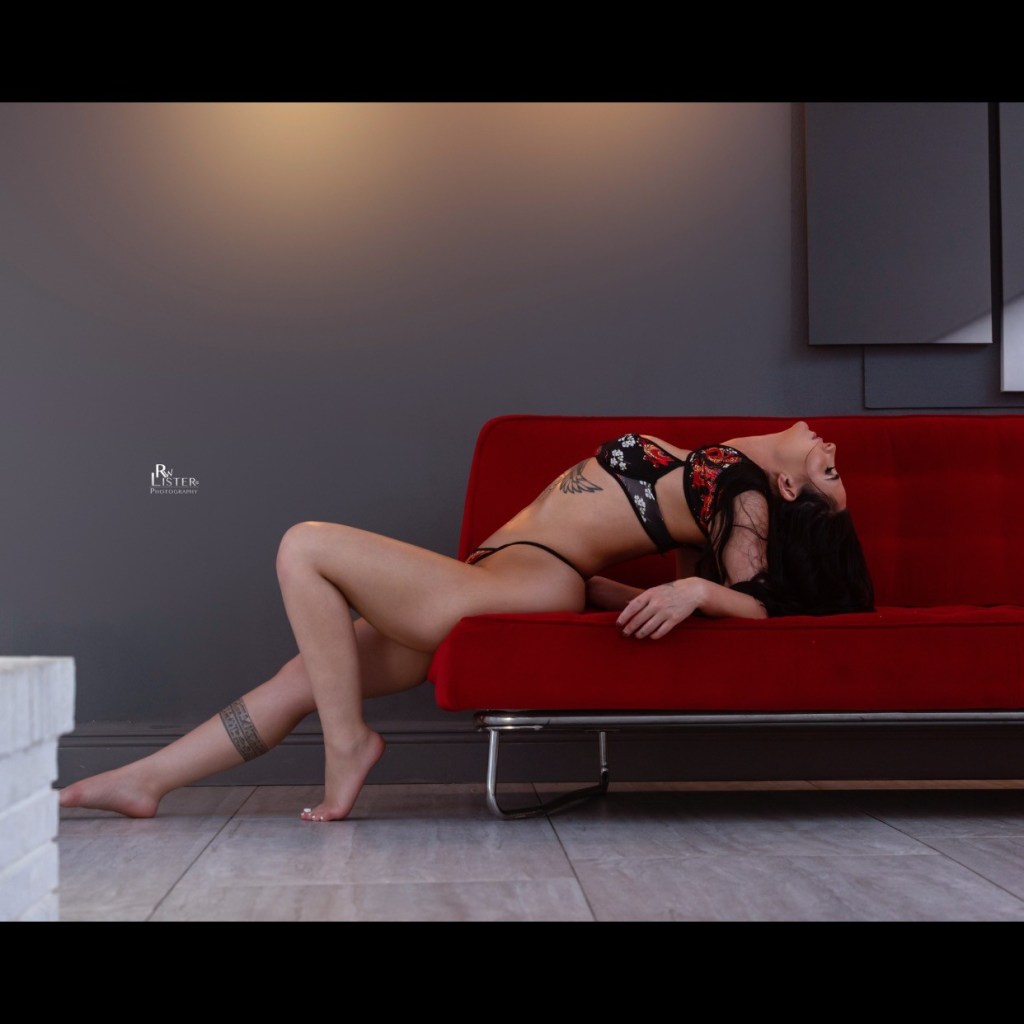
An HERA Magazine International Exclusive Interview
Model: Jessa Sutherland
Photography: Roger Lister — R.W. Lister Photography
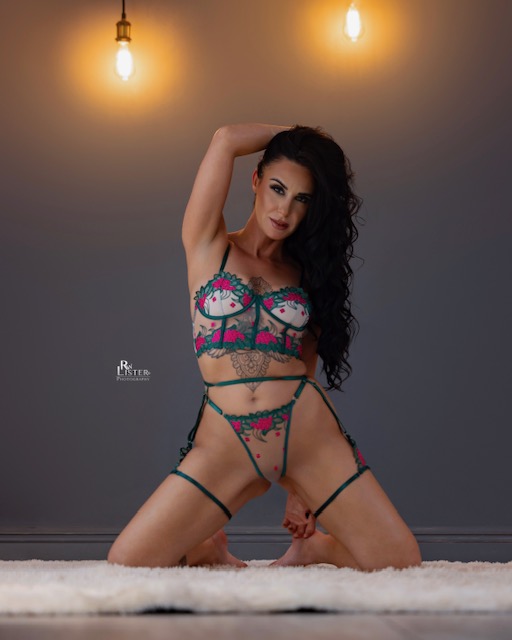
There are some models whose photographs immediately catch your attention. Then there are those whose personalities, experiences and creative vision make you want to discover the person behind the images.
Jessa is very much the latter.
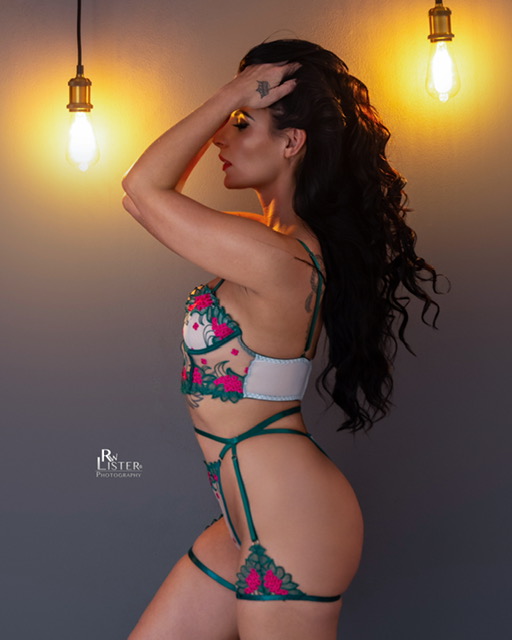
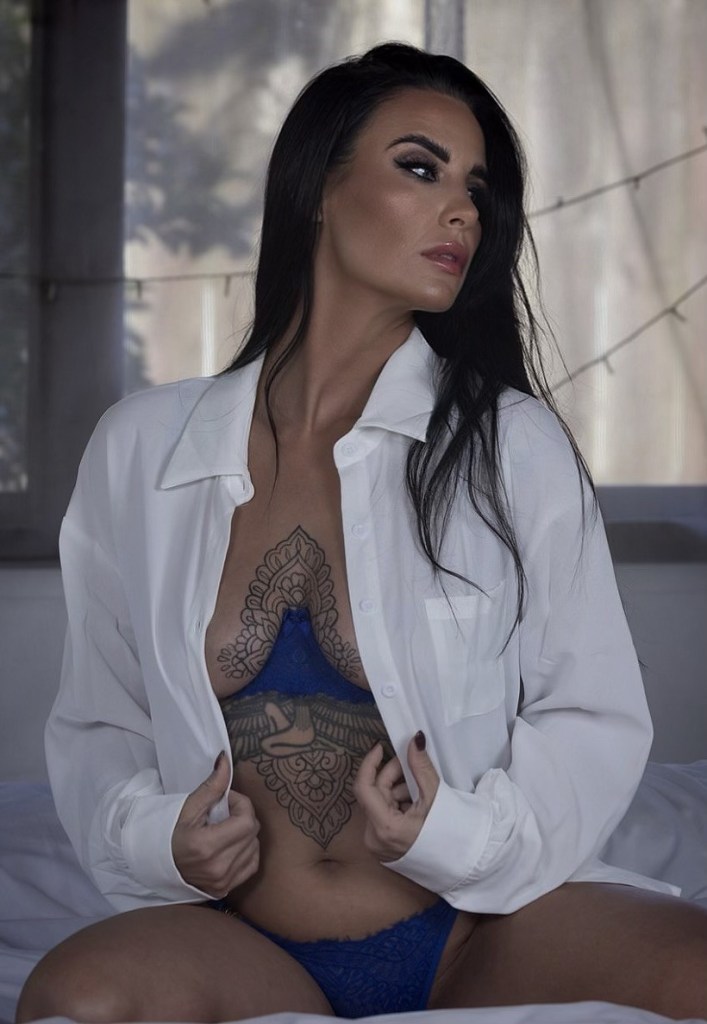
With an aesthetic she describes as “Dracula meets Marilyn Monroe”, Jessa combines the elegance of old Hollywood with gothic romance, mystery and a fascination with the darker side of beauty.
But there is much more to her story.
Beginning her modelling journey at just 15 in Louisville, Kentucky, she has developed a creative identity influenced by classic Hollywood icons, ancient mythology, music and her own experiences of life.
Away from the camera, she works as a Business Manager for Christian Dior at Saks Fifth Avenue, bringing together her passion for beauty, creativity and business.
She is also someone who has experienced profound personal challenges and has chosen to use her voice to encourage and support other women.
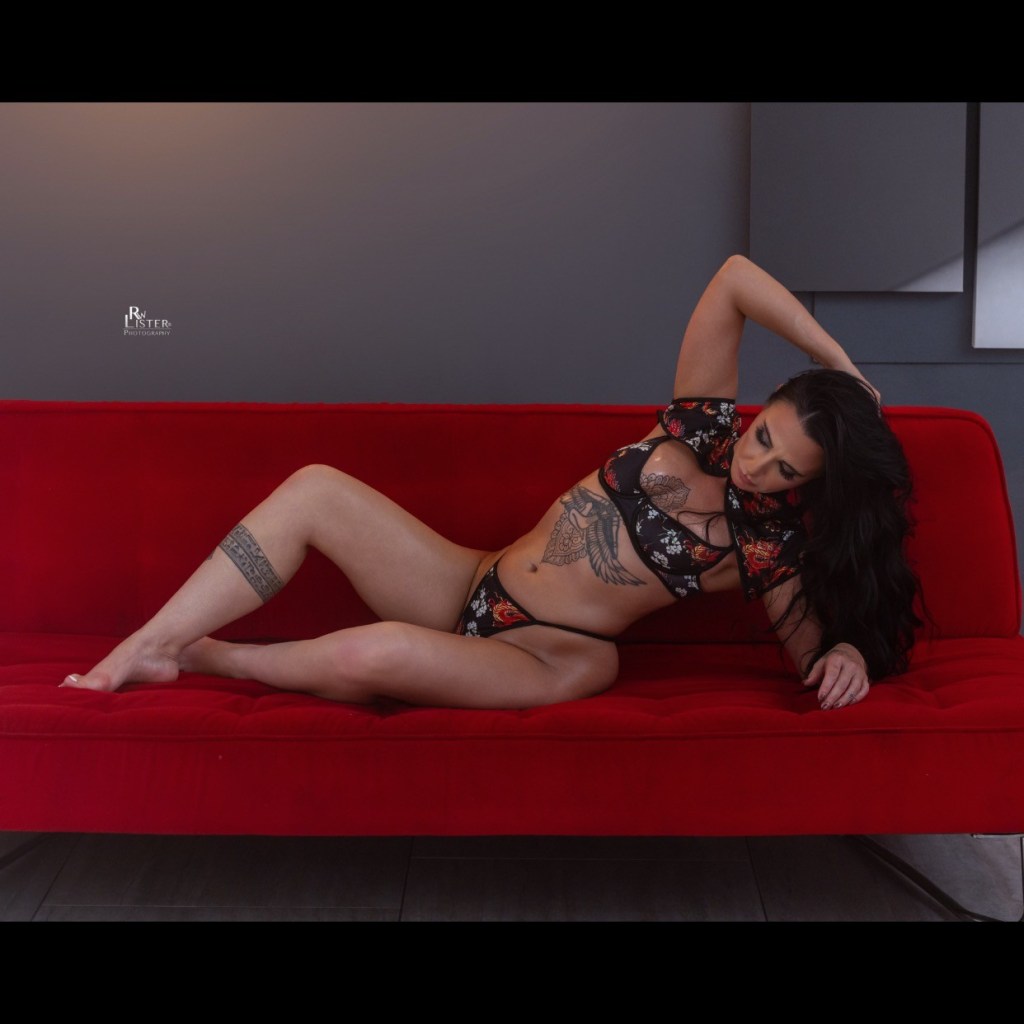
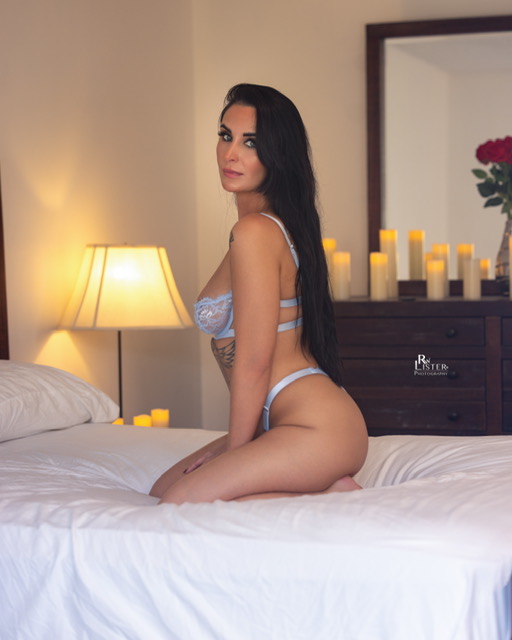
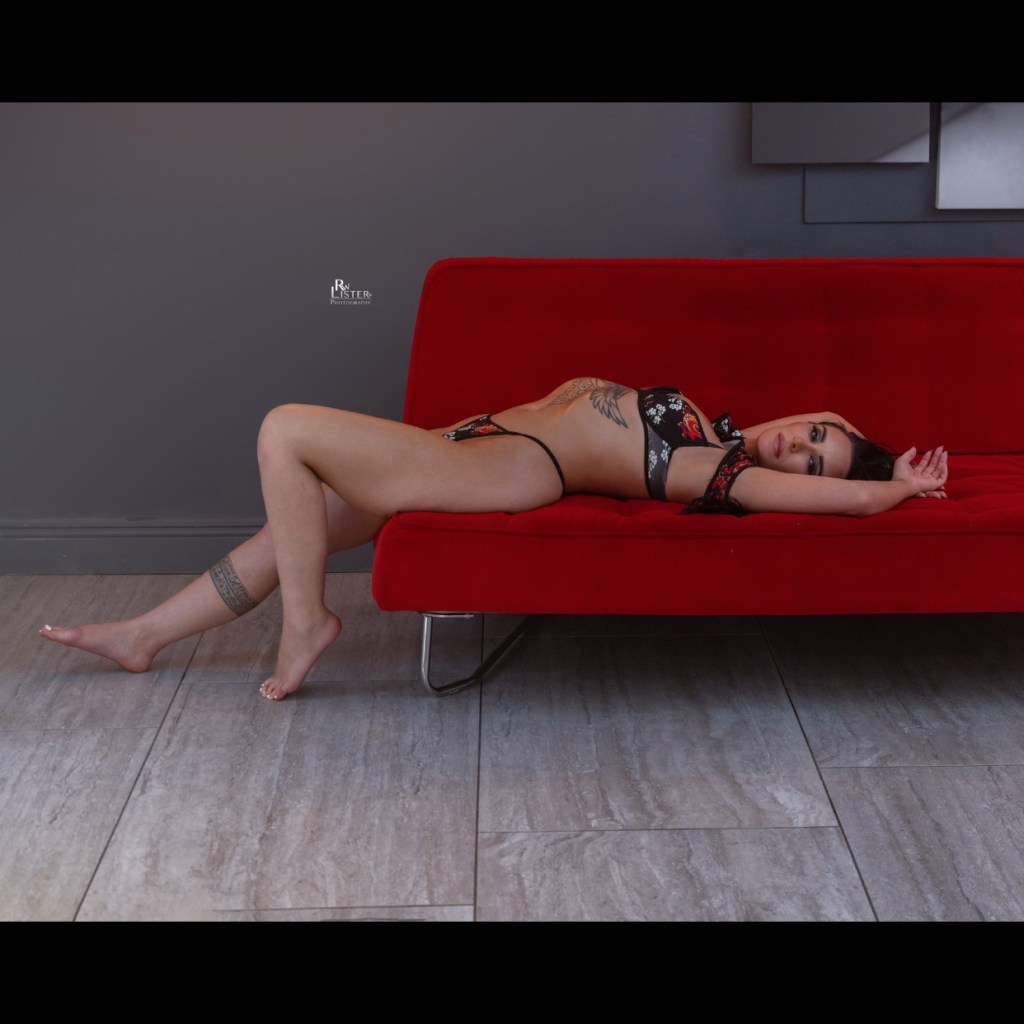
Photographed by Roger Lister, whose images accompany this feature, Jessa reveals the many different sides of her personality.
In this deeply personal interview with HERA Magazine International, she discusses her modelling journey, the relationship between Jessica and her alter ego Jessa, her love of reptiles and music, her creative independence, and the memory of her best friend, Allyson Jean Lamkin.
The Beginning of a Creative Journey
Hera: How did you first become involved in modelling, and what made you want to step in front of the camera?
Jessa: I first started modeling when I was 15 years old in Louisville, Kentucky. Even as a little girl, I was absolutely fascinated by glamour, especially the elegance and femininity of the 1920s and 1950s.
Women like Mae West, Bettie Page, Marilyn Monroe, Sophia Loren, and Elizabeth Taylor were huge inspirations for me growing up. There was something so captivating about the way they carried themselves, their confidence, their beauty, and the personalities they brought to the camera. They weren’t just beautiful women; they created something unforgettable.
I think what originally made me want to step in front of a camera was the idea of taking all that beauty I admired and being able to showcase it in my own way.
I’ve always been a very artistic person, and modeling became an extension of that creativity. I loved the idea that you could tell an entire story through one photograph without saying a single word.
And I think that’s something that has stayed with me throughout my life. Modeling has never just been about looking pretty to me. It’s about creating art, expressing emotions, and bringing different versions of yourself to life.
Dracula Meets Marilyn Monroe
Hera: What styles of photography do you particularly enjoy, and are there any creative ideas or concepts you’d love to explore in the future?
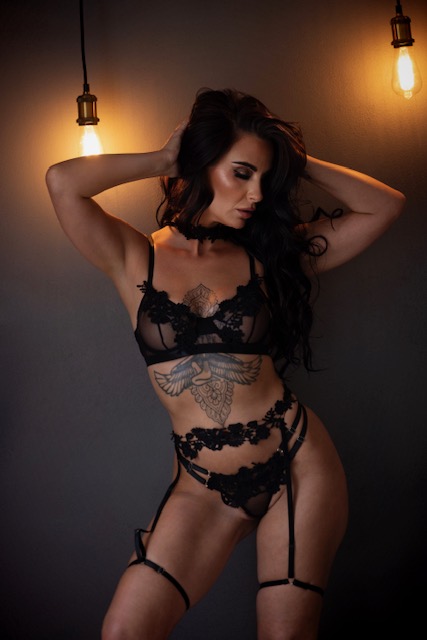
Jessa: My personal style, whether it’s modeling, fashion, or even my personality, has always leaned toward something darker, moodier, and more mysterious.
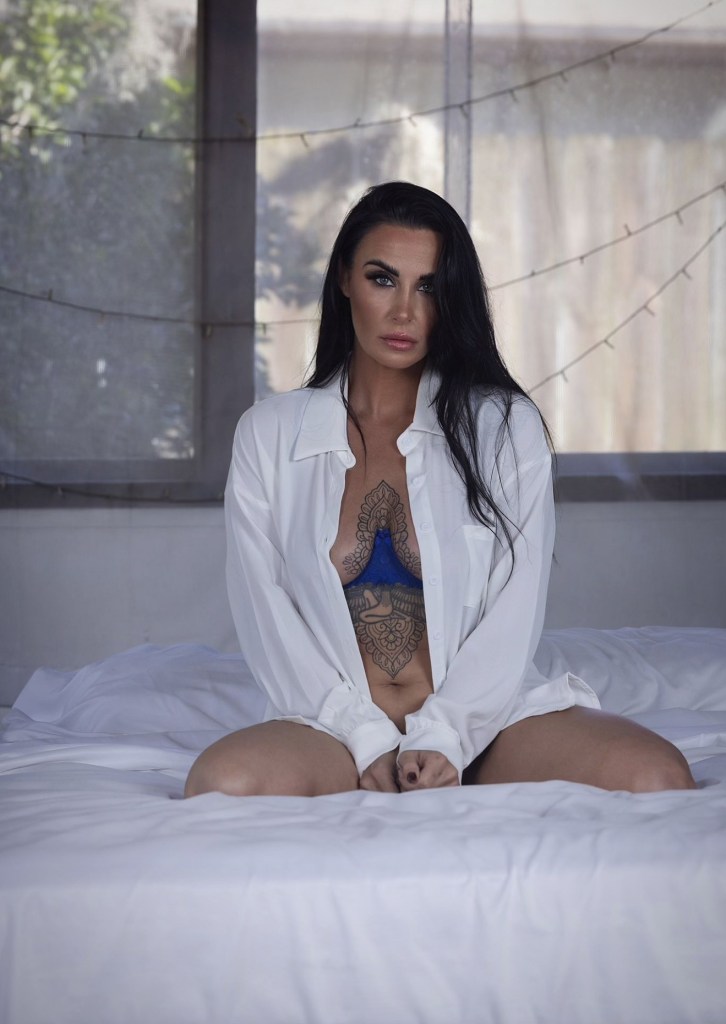
The best way I can describe my aesthetic is Dracula meets Marilyn Monroe.
I absolutely love old Hollywood glamour, but I also have this fascination with gothic beauty, ancient history, mythology, and the darker elements of nature.
There’s something incredibly beautiful about darkness when you really start looking at it from an artistic perspective.
I love deep forests, dramatic lighting, old architecture, dark romanticism, and photography that almost makes you feel like you’ve stepped into another century.
I’m also very spiritual, and I’ve always been fascinated with ancient goddesses, feminine energy, and the symbolism of transformation.
I would love to explore more photography that combines all those elements. Something that feels elegant and feminine but also mysterious, powerful, and maybe even a little haunting.
I think beauty doesn’t always have to be bright and cheerful. Sometimes the most beautiful things exist within the shadows.
I want people to look at my photographs and feel like there’s a story behind them. Almost like a riddle they’re trying to understand.
Beauty, Business and Independence
Hera: You’ve described yourself as a model, business manager, and artist. How do those different sides of your life fit together?
Jessa: I actually think they go hand in hand perfectly.
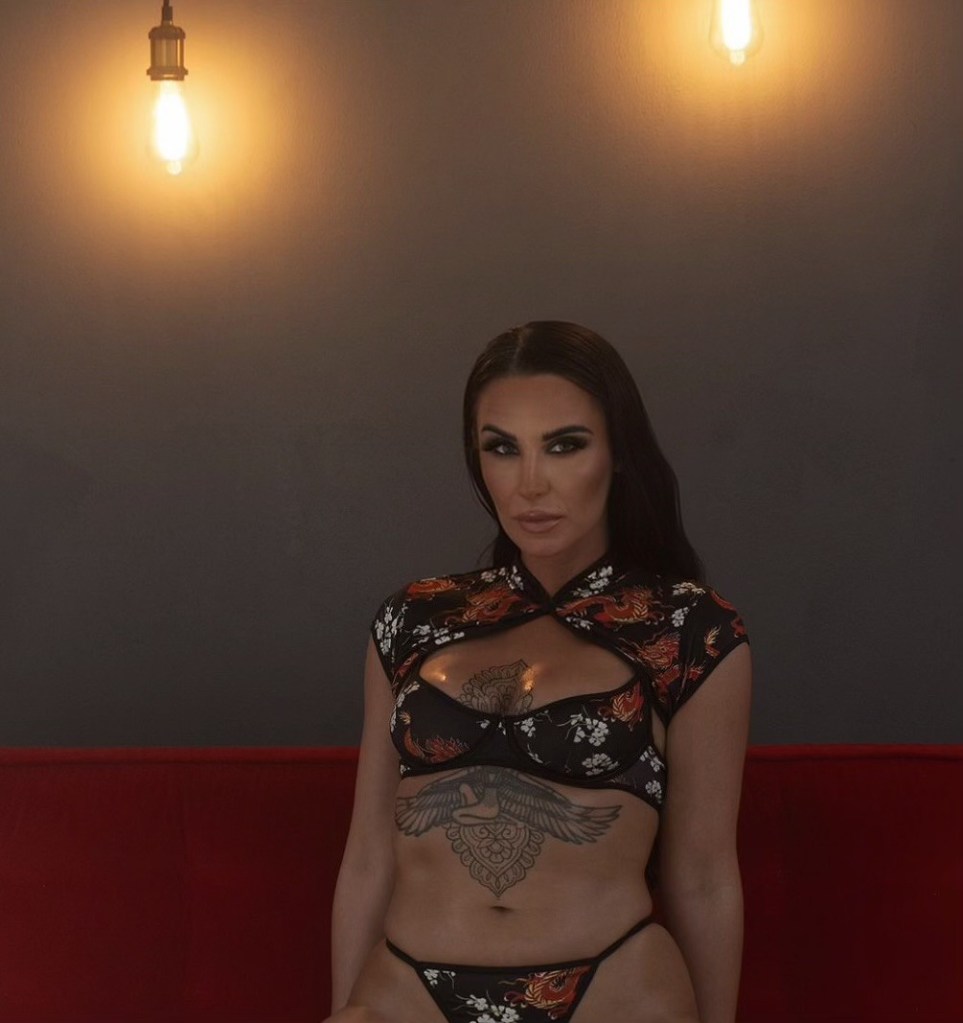
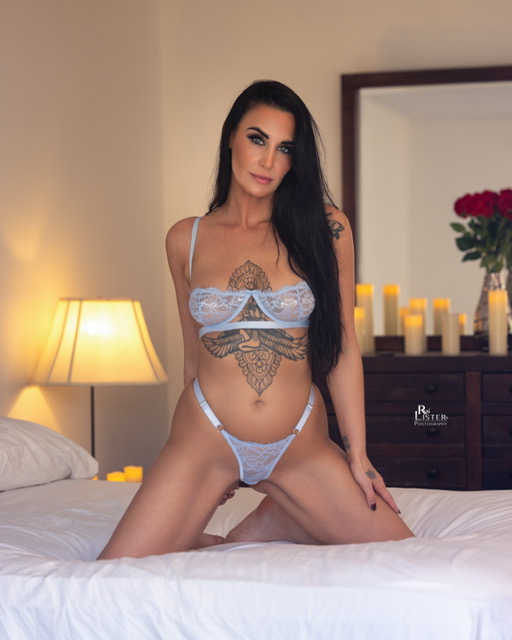
I’m currently a Business Manager for Christian Dior at Saks Fifth Avenue, so my professional life revolves around luxury, beauty, fashion, and understanding what makes people feel beautiful.
Being in the luxury beauty industry gives me a really interesting perspective because I’m constantly surrounded by creativity, new trends, different personalities, and the evolution of beauty itself.
I get to see both the artistic side and the business side of the industry, and I think that’s something that has really influenced my modeling.
I’ve always been fascinated by how beauty is presented, how trends develop, and how people express their personalities through fashion and appearance.
And because I have that business background, I also understand branding, presentation, marketing, and the importance of creating your own identity.
I think it’s wonderful being able to combine those different worlds.
I’ve never believed that a woman should have to choose between being intelligent, professional, artistic, or sensual. I think we can be all those things.
And I absolutely love that I can be a business manager for one of the world’s most iconic luxury beauty houses while also expressing this completely different, dark, artistic side of myself through modeling.
To me, that’s the beauty of being multidimensional.
An Affection for the Misunderstood
Hera: Where did your fascination with reptiles begin, and do you have any reptiles of your own?
Jessa: My fascination with reptiles actually started when I was a little girl.
Growing up in Kentucky, especially spending time around the mountains and nature, animals were always my friends. I was constantly outside discovering little critters, observing wildlife, and finding happiness in the simplest things.
I can remember how much peace it brought me just being outdoors and discovering all these little creatures that most people would probably walk right past.
I’ve always had such a deep connection with animals, especially the ones people tend to misunderstand.
A couple of years ago, I was actually a snake breeder, and that experience taught me so much about myself.
It really helped me understand my passion for animals and how much I enjoy learning about their behavior, caring for them, and appreciating creatures that so many people are unnecessarily afraid of.
I think snakes are absolutely fascinating. They’re such ancient animals, and there’s something incredibly beautiful about them.
And, of course, being the mystical person that I am, I also love their symbolism throughout ancient history. Snakes have represented transformation, rebirth, wisdom, and the shedding of an old identity in so many different cultures.
I find that symbolism beautiful because I think we go through those same transformations as human beings.
I’ve always believed that just because something is misunderstood doesn’t mean it isn’t beautiful.
Sometimes you just have to take the time to understand it.
Music, Emotion and the Creative Mind
Hera: What role has music played in your life, and which artists have had the greatest influence on you?
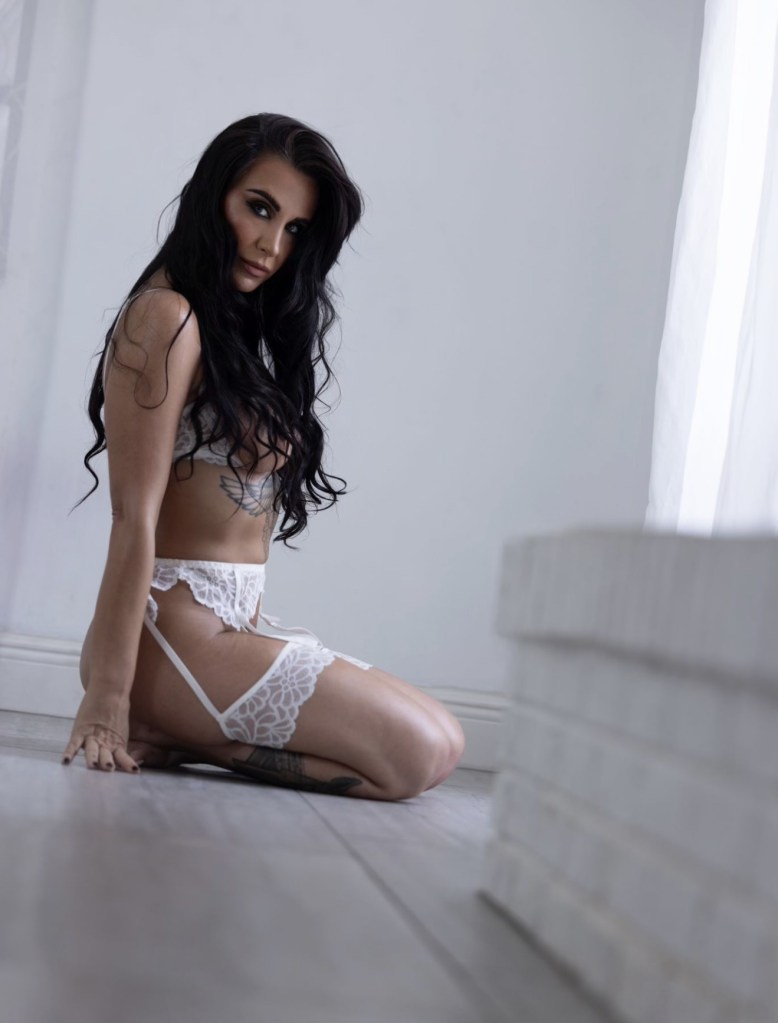
Jessa: Music, to me, is an expression of life itself.
I think if you can truly wrap yourself up in not only the lyrics of a song but also the music, the movement, and the emotions behind it, it can genuinely change the way you understand yourself.
Music has always been something I’ve connected with on a very deep level.
I especially resonate with Linkin Park and Chester Bennington because of the way their music explores pain, trauma, emotional struggles, and the darker parts of the human experience.
I think what made Chester so extraordinary was his ability to express things that so many people were experiencing but didn’t know how to put into words.
And I think there’s something incredibly powerful about that.
We’re human beings. We’re going to hurt, we’re going to suffer, we’re going to experience loss, and we’re going to go through things that completely change us.
But those experiences are also part of what makes us human.
I think Linkin Park’s music helped people understand that having those emotions doesn’t make you weak or broken. It means you’re experiencing life.
And sometimes you have to confront those darker parts of yourself before you can truly begin healing.
That’s something I’ve learned through my own experiences and my own shadow work.
I’ve always appreciated artists who aren’t afraid to express vulnerability and show the world that there can be beauty even in pain.
Hera: Does music influence your mood or creativity during a photoshoot?
Jessa: Oh, absolutely! Music influences everything for me, from my photoshoots to my everyday work and even my personality.
If I’m having a difficult day, one of the first things I’ll do is put on music. It helps quiet all the thoughts running through my head and gives me a chance to understand what I’m actually feeling.
Sometimes I think music understands us before we even understand ourselves.
During photoshoots, I think music can be incredibly enlightening because it helps establish the entire atmosphere.
It can give someone confidence, help them relax, and create that sense of comfort that allows their real personality to come out in front of the camera.
And I think comfort is such an important part of photography.
If someone feels uncomfortable, you can usually see it in the photographs. But when the music is right, the energy is right, and everyone feels comfortable, something really beautiful can happen.
As far as terrible music choices from photographers go, I try to be open-minded! But I definitely have my preferences, and if the music isn’t matching the atmosphere we’re trying to create, I might have to take over the playlist.
Jessica and Jessa: Two Sides of One Woman
Hera: How much of the person we see in your photographs is the everyday Jessa, and how much is a character you enjoy creating for the camera?
Jessa: I absolutely love this question, and I’m so glad you picked up on that distinction because it’s actually something very intentional.
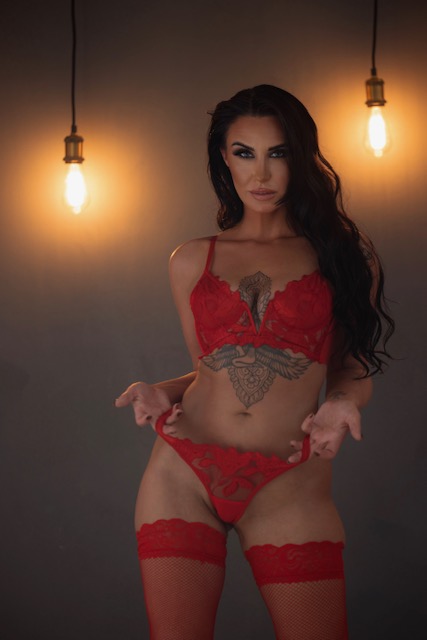
Jessica is who I am. Jessa is the character I created when I was a little girl.
Jessa was this confident woman I imagined becoming. She was beautiful, independent, artistic, and had built the life she wanted for herself.
And as I’ve gotten older, I’ve realized that Jessa isn’t necessarily someone completely different from Jessica. She’s another part of who I am.
She’s almost like my alter ego, the part of my personality that allows me to express things I might not always show in everyday life.
I think we all have different versions of ourselves, but so many people spend their lives hiding certain parts of their personalities because they’re afraid of being judged.
I’ve never understood why we should have to do that.
When people meet me in person, they often see someone who’s very positive, friendly, outgoing, and full of light.
And that’s genuinely who I am.
But there’s also a darker, more mysterious, introspective side of me.
I think every human being has a shadow side. We all experience happiness, sadness, anger, vulnerability, confidence, and everything in between.
And to me, being able to embrace all those emotions is part of being a complete human being.
My modeling platforms are where I allow that darker, mysterious side of myself to exist freely.
I don’t necessarily think I’m pretending to be someone else. I think I’m allowing myself to be everything that I truly am.
And I think there’s something really beautiful about that.
Learning to Own Your Beauty
Hera: Has modelling changed the way you see yourself, and what have you learned about yourself along the way?
Jessa: I think modeling has taught me a lot about confidence, structure, and truly owning who you are.
The way you pose, the way you smile, the way you look into the camera, even the way you carry yourself—every little detail reflects something about your personality.
And I think sometimes getting in front of a camera can teach you things about yourself that you never really noticed before.
It forces you to become more aware of your expressions, your body language, and how you present yourself to the world.
But one of the biggest things I’ve learned is that beauty is so much more than your physical appearance.
Beauty is your presentation. It’s your energy, your confidence, your individuality, and the way you carry yourself.
I’ve experienced a lot throughout my life, and I think those experiences have really changed the way I understand confidence.
I don’t believe confidence means thinking you’re better than someone else or believing you’re the most beautiful person in the room.
I think true confidence is being comfortable with who you are, including the parts of yourself that aren’t perfect.
And modeling has definitely helped me embrace that.
I’ve learned that I don’t need to fit into somebody else’s definition of beauty to feel beautiful.
I just need to be comfortable being myself.
Creativity on Her Own Terms
Hera: How do you approach the creative and business sides of producing your own OnlyFans content, and what have you learned from building that side of your work?
Jessa: OnlyFans has actually opened up an entirely new creative world for me, especially when it comes to embracing sexuality and understanding that side of myself.
It’s given me the opportunity to bring my character, Jessa, into an environment where I can explore that dark, mysterious, sensual side of my personality more freely.
Transitioning from boudoir modeling into full-nude photography and more intimate content has been a really interesting and empowering experience for me.
I think owning your sexuality and being comfortable with your body can be one of the most beautiful forms of self-expression.
And I think women are sometimes made to feel like they have to separate their intelligence, professionalism, femininity, and sexuality.
I don’t believe that at all.
I think you can embrace every one of those things and still be completely true to yourself.
The business side of OnlyFans has also been something I’ve really enjoyed.
Having a background in business management has helped me understand how to approach it professionally, from branding and marketing to creativity and building relationships with the people who support my work.
At the end of the day, you’re running your own business.
You’re making your own decisions, creating your own content, and determining how you want to present yourself.
And I think that independence is incredibly valuable.
It’s taught me that I can take something I’m passionate about, combine it with my business knowledge, and create something that’s entirely my own.
Hera: What can subscribers expect to find on your OnlyFans, and where can they follow or support you?
Jessa: My OnlyFans is BellaJessa, and people can find me at onlyfans.com/bellajessa.
I would describe my content as sensual, intimate, mysterious, and very much inspired by that darker artistic aesthetic I’ve always loved.
Subscribers can expect exclusive photography, full nudity, intimate videos, and a more personal side of my creativity that I don’t necessarily share on my other platforms.
I wanted to create something that feels a little different.
My concept is really based around the idea of exploring the things people are curious about, maybe even the things they’re a little afraid to look at, but still find themselves drawn toward.
There’s something fascinating about curiosity, mystery, and the things we sometimes keep hidden.
And I wanted my platform to reflect that.
I think sensuality can be artistic, mysterious, beautiful, and deeply personal all at once.
And that’s the atmosphere I enjoy creating.
Readers can find Jessa’s work at BellaJessa on OnlyFans (adult platform, 18+) and follow her on Instagram.
Finding Her Voice Through Survival
Content note: The following section discusses domestic abuse, suicide and bereavement.
There are times when an interview moves beyond the creative work that first brought someone to our attention.
For Jessa, modelling and self-expression are closely connected to her experiences of rebuilding confidence and finding her own voice.
That voice has also become a means of advocating for women experiencing domestic violence.
In the following answers, Jessa shares a deeply personal part of her life and remembers someone whose name she wants people to know.
Hera: What made you decide to share your experience of domestic abuse, and what do you hope others take away from your story?
Jessa: This is something that’s incredibly personal to me.
I survived eight years in an abusive relationship, and my own experience of domestic violence ended about three years ago.
For a long time, I carried so much of that experience within myself. And unless you’ve actually been through something like that, I don’t think people fully understand how difficult it is to leave, how much it changes you psychologically, or how complicated the healing process can be.
But what really pushed me to start speaking more openly about domestic violence was losing my best friend, Allyson Jean Lamkin, in July 2026.
Allyson died by suicide after what I understood to be two years of abuse in her relationship.
The day she died, she sent me a message telling me how much she loved me and that I had always protected her.
That is something I will carry with me for the rest of my life.
Losing her changed something inside me.
I knew from that moment that I wanted to use my own experiences to help other women understand that there really is life beyond abuse.
I know what it’s like to have to start over. I know what failure feels like. I know what it’s like to lose yourself and have to rebuild your entire identity.
And I also know that it’s possible to create a beautiful life after surviving something that once made you feel completely powerless.
I sometimes describe the psychological attachment involved in abuse as almost being addicted to pain, because that’s how complicated it can become emotionally.
People on the outside might ask why someone doesn’t simply leave, but they don’t always understand the fear, manipulation, emotional attachment, and trauma involved.
It isn’t that simple.
Since losing Allyson, I’ve made it one of my personal missions to encourage women, educate people about domestic violence, and show others that there is strength in starting over.
I want women to understand that their lives don’t have to end where their trauma began.
And if I can use my voice, my experiences, and even my modeling platform to help someone recognize their worth, then that’s something I’m going to continue doing.
Remembering Allyson Jean Lamkin
Hera: Is there anything you’d like to say to someone who may currently be experiencing abuse?
Jessa: There are women in my life right now who are experiencing abuse, and I speak with them. I listen to them, I encourage them, and I refuse to give up on them.
Because I know how hard it is.
I know how complicated it becomes when you love someone who is hurting you, when you’re afraid of starting over, or when you’ve been made to believe that you aren’t strong enough to survive on your own.
But I want women to understand that they are so much stronger than they realize.
And I would never tell someone that leaving is easy, because it isn’t.
Sometimes it’s one of the most difficult and dangerous things a person will ever have to do, which is why having support and a safe plan is so important.
But I want them to know there are people who will listen, people who will believe them, and people who will help them find their way back to themselves.
And there’s one name I want everyone reading this interview to remember.
Allyson Jean Lamkin.
She was my best friend, and I want her to be remembered for the person she was, for the love she gave, the good she brought into this world, and the lives she touched.
I don’t want her story to be reduced to the way she died.
I want people to remember that she lived, that she mattered, and that she was deeply loved.
And I will continue using my voice to advocate for women experiencing domestic violence in her memory.
We will keep fighting in her name.
Domestic Violence Support — United States
If you or someone you know is experiencing domestic abuse, free, confidential support is available nationwide through the National Domestic Violence Hotline, 24 hours a day, seven days a week.
Call: 1-800-799-7233 (SAFE)
Text: START to 88788
Online support: https://www.thehotline.org/get-help/
A note about your safety: Calls, text messages and internet activity may be visible to someone monitoring your phone or accounts. If you are concerned about being monitored, consider using a trusted person’s phone or another safe device to seek support. Deleting call or browsing history may not remove every record.
If you are in immediate danger in the United States, call 911.
Becoming the Woman She Always Imagined
Hera: Looking ahead, what would you most like to achieve, both in modelling and in life? And if you could give your younger self one piece of advice, what would it be?
Jessa: I think what I’m ultimately trying to achieve in life is something much deeper than professional success or material accomplishments.
I’m looking for a sense of divinity within myself.
And when I say divinity, I mean reaching that point where you truly understand who you are, where you come from, what you’ve survived, and what you’re capable of becoming.
I don’t necessarily want my life to be measured by the accomplishments other people can see.
Of course, I’m ambitious. I love my career, I love modeling, and I want to continue growing professionally and creatively.
I’d love to work with more photographers, explore different artistic concepts, and create work that inspires people.
But what matters most to me is what I can do with the experiences I’ve had.
I want women to feel more comfortable loving themselves.
I want them to understand that beauty isn’t limited to one particular appearance, age, personality, or lifestyle.
You can be dark and mysterious. You can be feminine and sensual. You can be intelligent, successful, emotional, and vulnerable.
You can have survived terrible things and still create something beautiful out of your life.
And I think that’s what I ultimately want my modeling and my personal journey to represent.
If sharing my story or expressing myself through art encourages another woman to embrace who she truly is, then I think I’ve accomplished something meaningful.
And if I could go back and give my younger self one piece of advice, it would be to stop being such a people pleaser.
Stop worrying so much about making everyone else happy while forgetting about yourself.
Keep loving yourself, even when other people make you question your worth.
Trust your intuition. Keep your curiosity. Don’t lose your imagination, and never make yourself smaller just because someone else doesn’t understand you.
And most importantly, I would tell that little girl from Kentucky:
You are so much more powerful than you even know.
Because I think that’s something I’ve spent my entire life learning.
And I’m still learning it every day.
A Final Word from HERA
There is something particularly compelling about a person who refuses to be defined by just one part of their life.
Jessa is a model, an artist, a business professional and a woman with a distinctive creative vision. She embraces old Hollywood glamour and gothic mystery, finds meaning in music and mythology, and believes that beauty can exist in many different forms.
Her explanation of the relationship between Jessica and Jessa is especially revealing. What began as the imagined identity of a confident young girl has become another way of expressing the woman she is today.
But perhaps the most moving part of this conversation is her determination to use her experiences to support others.
Jessa’s words about Allyson Jean Lamkin remind us that behind every story of loss is a person whose life, relationships and memories deserve to be honoured.
We are particularly grateful to Jessa for trusting HERA with such personal experiences, and for speaking so openly about subjects that are not always easy to discuss.
Her story is a reminder that strength and vulnerability can exist together, and that finding your own identity is often a journey rather than a destination.
Thank you, Jessa, for sharing your creativity, your honesty and your story with HERA Magazine International. We wish you every success in your modelling, your career and the work you are doing to encourage others.
Our thanks also go to Roger Lister, whose photography beautifully captures Jessa’s confidence, individuality and distinctive sense of style.
Follow Jessa and Roger
Jessa Sutherland
Instagram: https://www.instagram.com/jessasutherland311/
OnlyFans (18+): https://onlyfans.com/bellajessa
Roger Lister — R.W. Lister Photography
Instagram: https://www.instagram.com/rwlisterphotography_/
All photographs by Roger Lister. Published by HERA Magazine International.
HERA Magazine International — Celebrating beauty, creativity and the stories behind the photographs.


Leave a Reply